
The Ecotoxicogenomics, Environmental DNA/RNA and Endocrine Disruption Laboratory specializes in organic and inorganic contaminants. Ultra-sensitive animal and cell lines allow the lab team to identify how contaminants can affect the health of vertebrates.

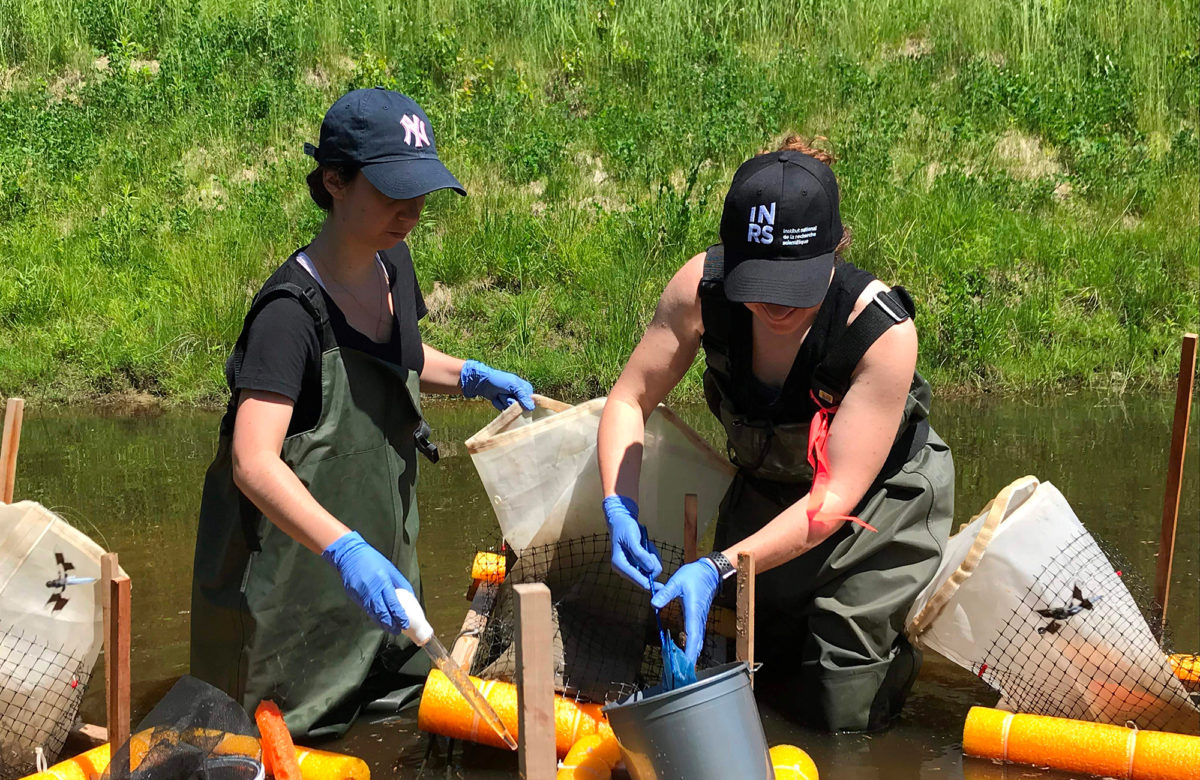
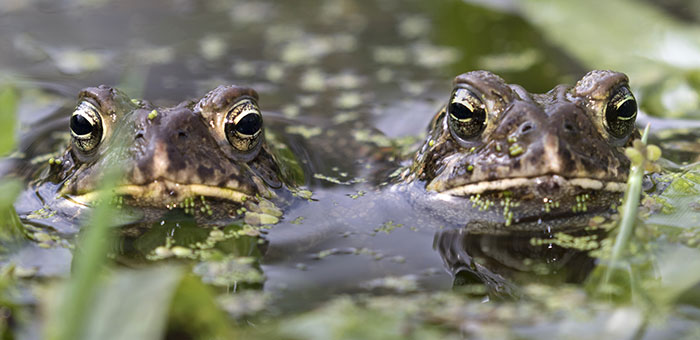
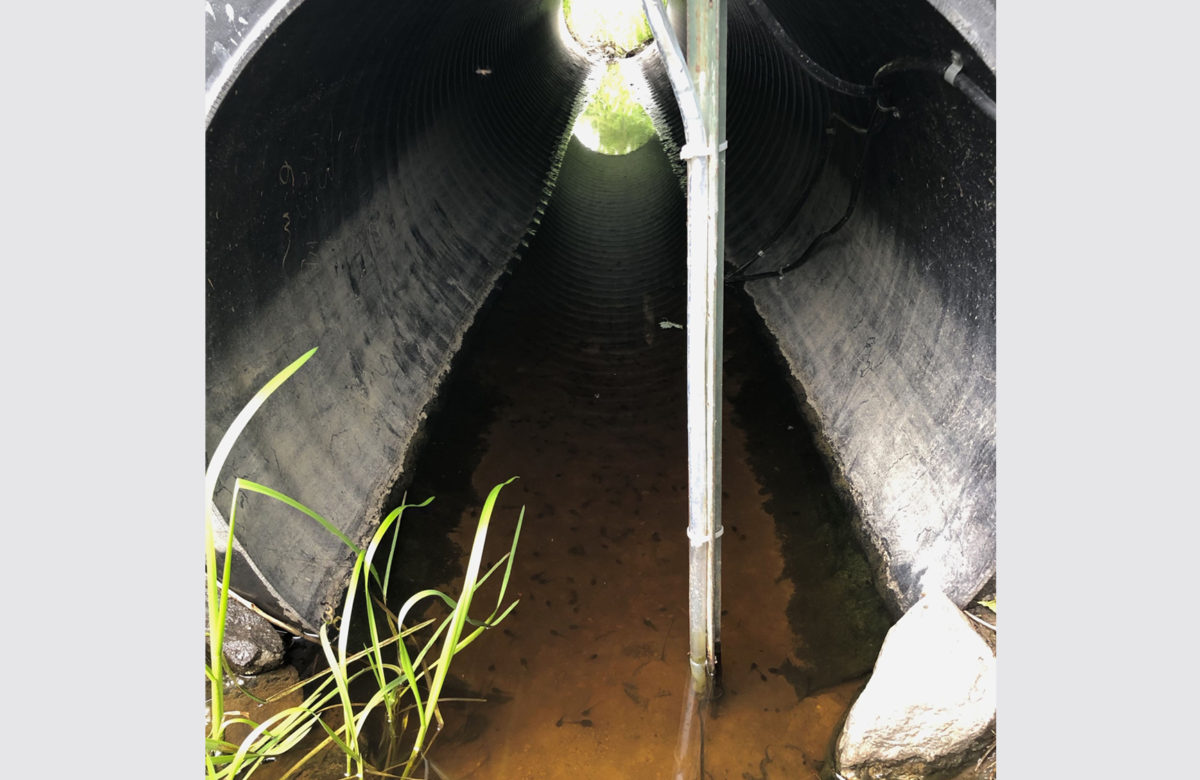
The Ecotoxicogenomics, Environmental DNA/RNA and Endocrine Disruption Laboratory has the expertise, knowledge, facilities, and instruments required for testing the effects of contaminants on living organisms. Unique molecular and physiological biomarkers are developed for each species to help scientists understand and validate the action mechanisms of contaminants, including endocrine disruptors.
LEPE conducts experiments in the laboratory, in microcosms, in mesocosms, and in the field. The facility consists of:
A lab and field experiment component, including:
- Three multipurpose environmental rooms with controlled lighting, temperature, and humidity (e.g., for ecotoxicology test in fish and amphibians)
- Six automatic incubators with a capacity of hundreds of eggs from various bird species
- A cell culture hood with a CO2 incubator
- Mesh cages for exposing tadpoles to the environment
- Access to all INRS field equipment
- Access to the INRS CIRSA field research station
- PCR
- qPCR
- Bioanalyzer
- Biochip scanner
- Fluorescence reader
- Electronic dissecting microscope
- Inverted microscope for cell culture
The Ecotoxicogenomics and Endocrine Disruption Laboratory is available to Eau Terre Environnement Research Centre faculty, students, and staff for their research projects, with the lab manager’s authorization. Lab resources can also be used for external collaborations and R&D contracts.
Please contact us for more information on available services.
Here are some of the themes LEPE is currently addressing in projects that make use of molecular tools:
- Characterization of the effectiveness of an agricultural water retention pond in reducing pesticides to protect the health of amphibian populations
- Development of tools for measuring the endocrine effects of industrial and municipal waste
- Study of the potential effects of Bti (Bacillus thuringiensis islandis) on amphibians
- Characterization and monitoring of the effects of diluted bitumen on fish as part of a controlled spill in a freshwater lake
- Development of biomarkers for monitoring the restoration of fish (fathead minnows), frog (wood frog), and bird (cormorant and northern gannet) populations in the event of an oil spill
- Development of a non-lethal approach for measuring contaminants in polar bears
- Canadian Council on Animal Care (CCAC), Subcommittee on Amphibians
- Canadian Ecotoxicity Workshop (CEW)
- Canadian Society of Zoologists (CSZ)
- CREATE-LEADERS, NSERC
- CREATE-PURE, NSERC
- North American Society for Comparative Endocrinology (NASCE)
- Regroupement des écotoxicologues du Québec (EcotoQ)
- Réseau international en écotoxicologie aquatique (Ecobim)
- Ressources aquatiques Québec (RAQ)
- Society of Environmental Toxicology and Chemistry (SETAC)
- The Society of Toxicology of Canada (STC)
Contacts
Valérie Langlois
Professor and Scientific head
Phone: 418-654-2547
valerie.langlois@inrs.ca
Boutaina El Jai
Partnerships and Research Development Advisor
Phone: 418 654-2531
boutaina.el_jai@inrs.ca
Ecotoxicogenomics and Endocrine Disruption Laboratory
Institut national de la recherche scientifique
Eau Terre Environnement Research Centre
490 rue de la Couronne
Québec City, Quebec G1K 9A9