
Project description
The host research team, which will be established on September 1, 2025, at the Armand-Frappier Santé Biotechnologie Research Centre in Laval, will be dedicated to studying antiviral defense mechanisms against pathogenic RNA viruses, particularly arboviruses. It will be led by Sébastien Nisole, Research Director at Inserm (France) and recently appointed Professor of Virology at INRS (Canada).
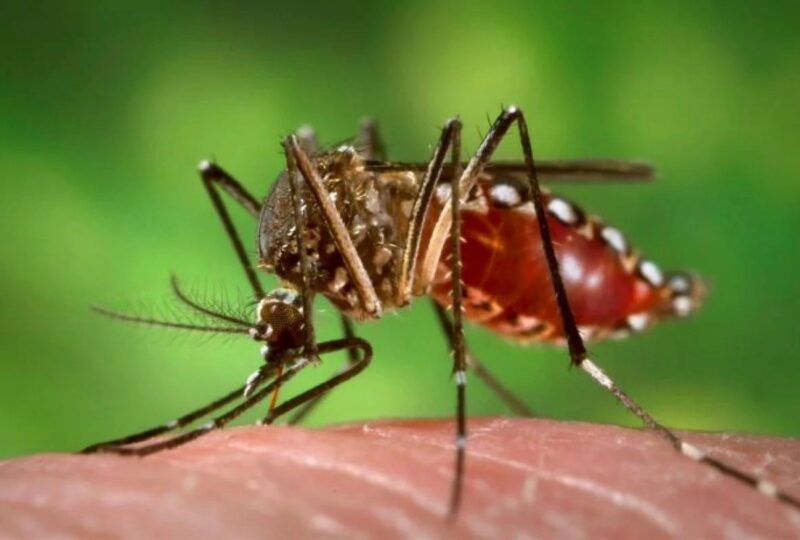
Flaviviruses represent a large group of arthropod-borne viruses, primarily transmitted by mosquitoes and ticks, some of which are responsible for severe, sometimes fatal diseases. Their incidence is increasing significantly worldwide, mainly due to the proliferation and geographic expansion of their vectors. Among the major human pathogens are mosquito-borne flaviviruses such as dengue virus, Zika virus, and West Nile virus, while certain tick-borne flaviviruses are also attracting growing attention due to their emergence. As with any viral infection, the body’s first line of defense relies on the innate immune system, in which type I interferon is a key effector. This cytokine exerts potent antiviral activity by inducing the expression of hundreds of interferon-stimulated genes (ISGs), whose products inhibit viral replication and thereby limit viral dissemination within the host. However, like many viruses, flaviviruses have evolved strategies to evade these antiviral defenses, thus facilitating their spread.
This research project aims to identify novel ISGs capable of inhibiting flavivirus replication, to characterize their mechanisms of action, and to elucidate their role in viral dissemination within the host.
Recent team publications on the subject:
- Zoladek J et al. MITD1 is a brain-specific interferon-inducible factor that inhibits flavivirus replication. Proc Natl Acad Sci USA, 2025.
- Medkour H et al. Sphingomyelins in mosquito saliva reconfigure skin lipidome to promote viral protein levels and enhance transmission of flaviviruses. Cell Metabolism, 2025.
- Zoladek J et al. A specific domain within the 3′ untranslated region of Usutu virus confers resistance to the exonuclease ISG20. Nature Commun, 2024.
- Vouillon A et al. Skin tropism during Usutu virus and West Nile virus infection: an amplifying and immunological role. J Virol, 2023.
- Constant O et al. Differential effects of Usutu and West Nile viruses on neuroinflammation, immune cell recruitment and blood-brain barrier integrity. Emerging Microbes Infect, 2023.
- Maarifi G et al. Identifying enhancers of innate immune signaling as broad-spectrum antivirals active against emerging viruses. Cell Chem Biol, 2022.
- Martin MF et al. Usutu Virus escapes langerin-induced restriction to productively infect human Langerhans cells, unlike West Nile virus. Emerging Microbes Infect, 2022.
Start date
Fall/Winter 2025
Supervision
Sébastien Nisole, professor
Programs of study
This project will be conducted as part of the PhD program in Virology and Immunology.
Required qualifications
- Hold a Master’s degree in virology, immunology, biology, biochemistry, or a related field
- Strong scientific curiosity, independence, and initiative
- Proficiency in both French and English
Experience or knowledge in any of the following areas would be an asset:
- Virology
- Innate immunity
- Cellular and molecular biology
- Flow cytometry
- Immunofluorescence
Scholarship
Every INRS student-researcher benefits from a grant during their graduate studies.
Location
Institut national de la recherche scientifique
Armand-Frappier Santé Biotechnologie Research Centre
531, boulevard des Prairies
Laval (Québec) H7V 1B7
Questions
Sébastien Nisole
sebastien.nisole@inrs.ca
How to Apply
People who are interested can send their application to Professor Nisole with (1) a cover letter indicating your interest, (2) CV, (3) a copy of their most recent university transcript, and (4) the contact info for two people who can give references to the following email address: sebastien.nisole@inrs.ca