
- Research
Two new research chairs at INRS to develop cleaner, faster, and more responsible technologies for a sustainable energy and digital future.

The Institut national de la recherche scientifique (INRS) is launching two new institutional chairs at the Énergie Matériaux Télécommunications (EMT) Research Centre to support Québec’s energy and digital transitions. By bringing together expertise in photonics and advanced materials, these chairs aim to address two major societal challenges: reducing the energy footprint of digital technologies and accelerating the development of clean, reliable, and accessible energy solutions.
Toward More Sustainable Digital Intelligence
Led by Professor José Azaña, the INRS Chair in Ultrafast Photonic Computing explores innovative approaches to reducing the energy consumption of artificial intelligence (AI) technologies. Today, AI systems rely on highly energy-intensive electronic architectures, even as their use expands rapidly in transportation, healthcare, and communications.
The Chair focuses on photonic neuromorphic computing, a technology that uses light to perform calculations inspired by the human brain. This approach enables extremely high processing speeds while significantly reducing energy consumption.
The research program will develop fast, programmable photonic architectures compatible with current industrial processes, facilitating their integration into real-world applications.
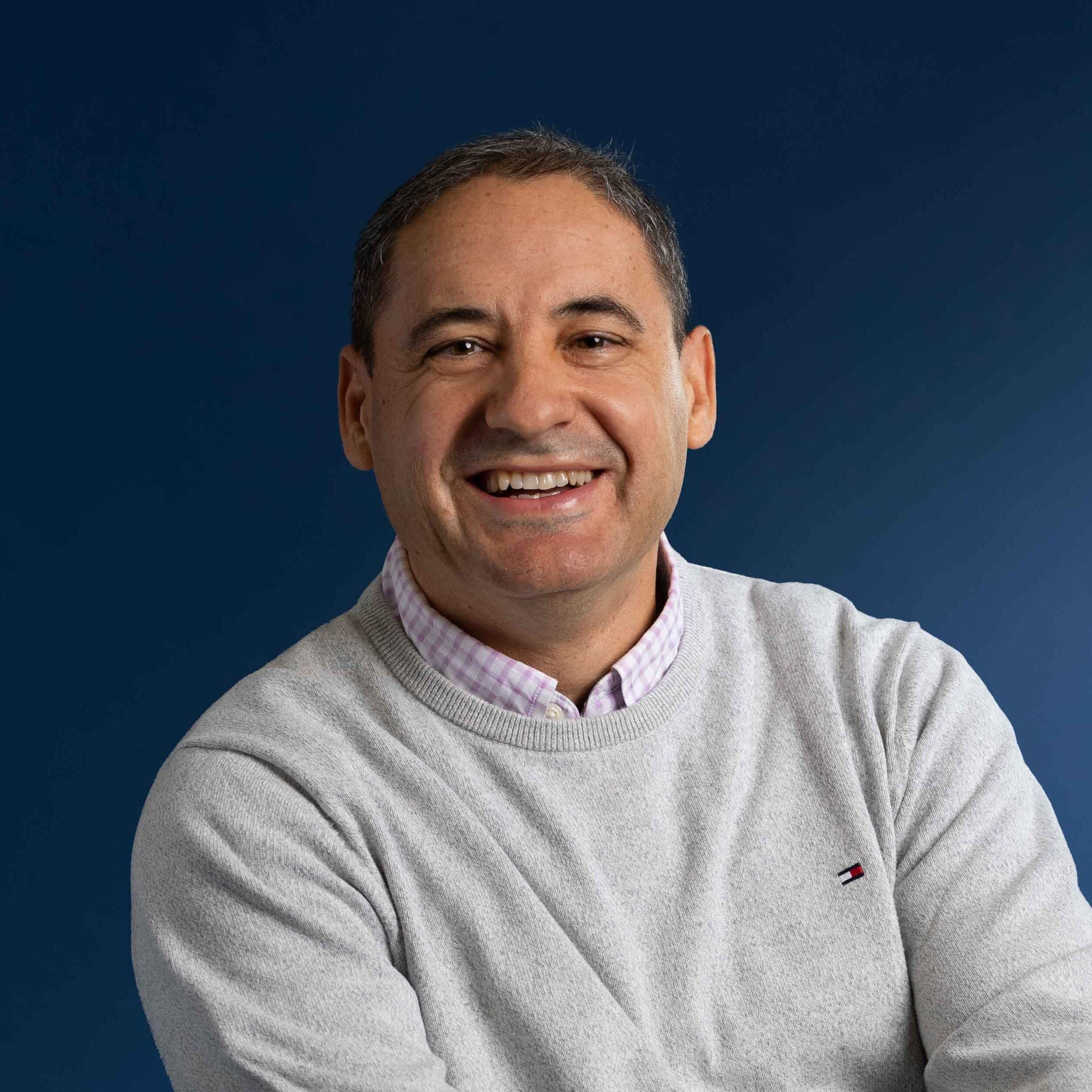
“For artificial intelligence to be truly sustainable, we must rethink how we perform computations. Photonics offers a radically more efficient and responsible path forward”
José Azaña, professor
This work will contribute to the emergence of greener AI and to the training of specialists in photonics, a strategic field for Québec’s technological future.
Advanced Materials for Clean and Accessible Energy
The INRS Chair in Multifunctional Materials for Sustainable Energy and the Environment, led by Professor Shuhui Sun, addresses another critical challenge: the transition to clean, reliable, and affordable energy systems.
The Chair’s research focuses on developing advanced materials for:
- safer, longer-lasting batteries for all-weather use & battery recycling;
- green hydrogen production from seawater and wastewater;
- high-performance hydrogen fuel cells for transportation and emergingindustrial applications.
By combining materials science, energy device engineering, and real-time diagnostics, the Chair aims to improve the performance, durability, and safety of next-generation energy technologies. It will also integrate circular-economy strategies to reduce reliance on critical raw materials and support the more sustainable deployment of these technologies.

“To succeed in the energy transition, we need transformative materials and energy technologies that are more efficient, more durable, and more accessible. Our goal is to develop practical energy solutions that will create lasting benefits for Québec’s society,” explains Professor Sun.
Shuhui Sun, professor
Through close collaborations with industry, research organizations, and other partners, the Chair will help accelerate the transfer of scientific innovations into practical applications, contributing to Québec’s energy security, technological leadership, and economic growth.
A Direct Impact on Québec
By investing in two complementary fields—photonics and sustainable energy—INRS is strengthening its capacity to support Québec’s energy and digital transitions. These chairs will help develop cleaner, more efficient technologies while training the next generation of scientists who will play a key role in tomorrow’s strategic sectors.
With these two new chairs, INRS now has four institutional research chairs. They reinforce the Institute’s scientific excellence and support its mission: contributing to Québec’s economic, social, and environmental development through research and training.