
- The Scientific Question of the Month
-
YOU ARE
- Community member
- Future Student
- Student
- Professor
- Alumni
- Media
- Guidance counsellors
- INRS retiree
- Contact Us
- Newsroom
- Careers
- FR
-
Studies
We teach the next generation of researchers to develop scientific, social, and technological innovations.
-
Research
We find solutions through interdisciplinary research and industry or public and community partnerships.
-
INRS
We play an active role in Québec's economic, social, and cultural development.
The Scientific Question of the Month: breaking down complex topics into simple, clear, and informative answers.

A Common Disease
Breast cancer is the most common type of cancer among women worldwide. However, purely genetic cases linked to an inherited mutation remain a minority. In most cases, the causes are unknown, although lifestyle habits, diet, and place of residence are among the factors being closely studied. Researchers now suspect that certain pollutants found in our everyday environment may also contribute to an increased risk of breast cancer.
An Organ Particularly Vulnerable to Cancer
The breast is an organ that is constantly changing. During puberty, throughout the menstrual cycle, and before and after pregnancy, its cells continuously grow, remodel, and adapt. As a result, it is particularly vulnerable to cancer because it constantly produces new cells. These cells are more likely to accumulate mutations than those of a more stable organ.
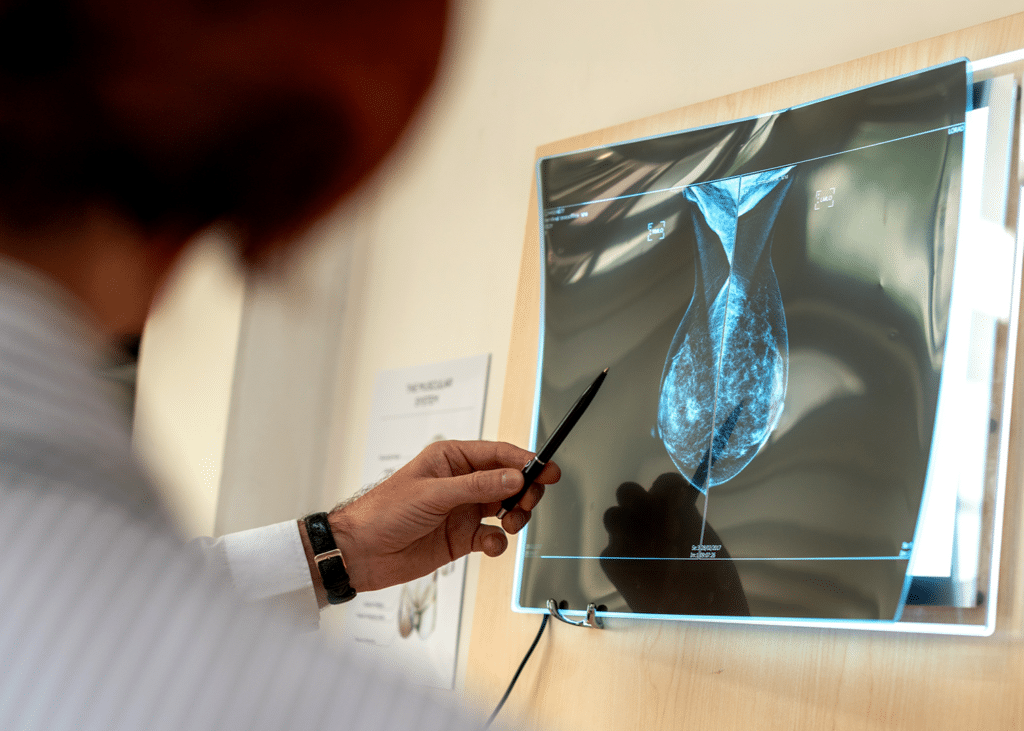
Taking a Closer Look at Cell Junctions
An expert in environmental toxicology and breast cancer, INRS professor Isabelle Plante studies the regulation and influence of cells and cellular interactions. More specifically, she investigates their role in the development of mammary glands and how their disruption, whether caused by genetic mutations or environmental pollutants, could promote the development of breast cancer.
The Impact of Chemical Substances on Our Health
Professor Plante pays particular attention to endocrine disruptors, chemicals that interfere with hormones and can be found in everyday products ranging from cosmetics to electronic devices and toys.
Some of these substances disrupt the normal functioning of our cells and tissues, and therefore of our organs. As a result, they may promote the formation of tumours or impair the body’s normal functions.
” The breast is an organ that is constantly changing […]. As a result, it is particularly vulnerable to cancer because it constantly produces new cells. “
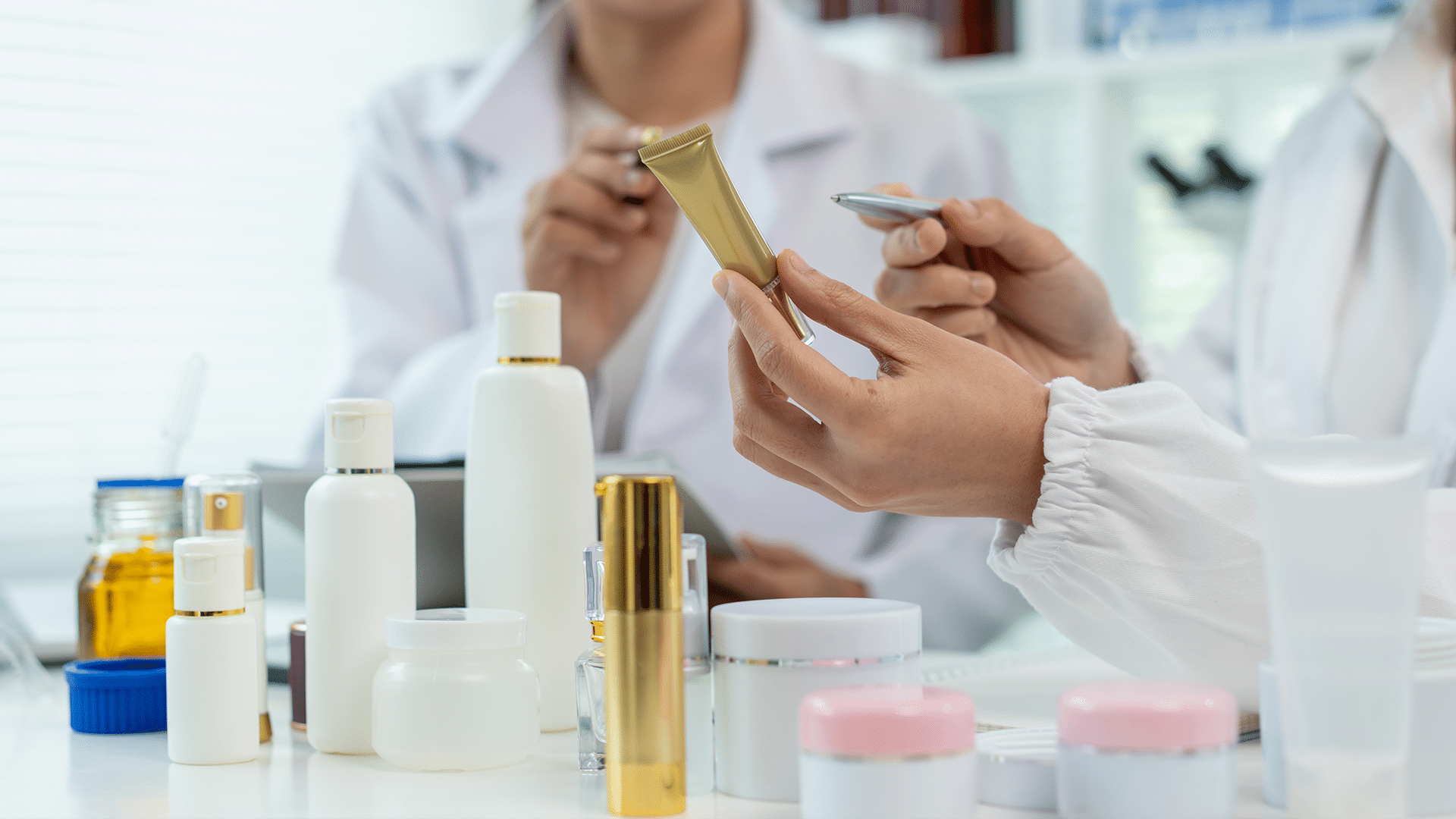
The Role of Endocrine Disruptors in Breast Cancer
Because of their widespread presence and their harmful effects on health, endocrine disruptors are a growing concern in breast cancer research. Cellular interactions may be directly affected by these chemicals. Since these interactions are essential to the normal development of mammary glands, any disruption can have consequences throughout the entire process.
What Can Be Done?
According to Isabelle Plante, prevention remains the best way to fight breast cancer, for both women and men. Access to information, awareness of risk factors, and early screening are all essential. The earlier the disease is detected, the greater the chances of survival.
Share