Why is it important?

High-temperature superconductors can carry electricity without resistance at temperatures as high as that of liquid nitrogen (−196 °C), yet the mechanism behind this remarkable phenomenon remains one of the greatest mysteries in modern physics. Using a cutting-edge technique that allows researchers to observe how electrons behave and interact inside materials in real time, the team showed that the pseudogap, a quantum state whose role has been debated for decades, competes with superconductivity rather than promoting it.

This discovery sheds new light on how high-temperature superconductors work and opens new avenues for the development of more efficient materials, with potential applications in power grids, medical imaging, and quantum technologies.


In Their Own Words

“The pseudogap is one of the greatest mysteries in condensed-matter physics. Understanding how it interacts with superconductivity is essential if we want to explain why these materials can carry electricity without energy loss at unusually high temperatures.”

— Fabio Boschini, Professor at INRS and specialist in ultrafast spectroscopy of quantum condensed matter.

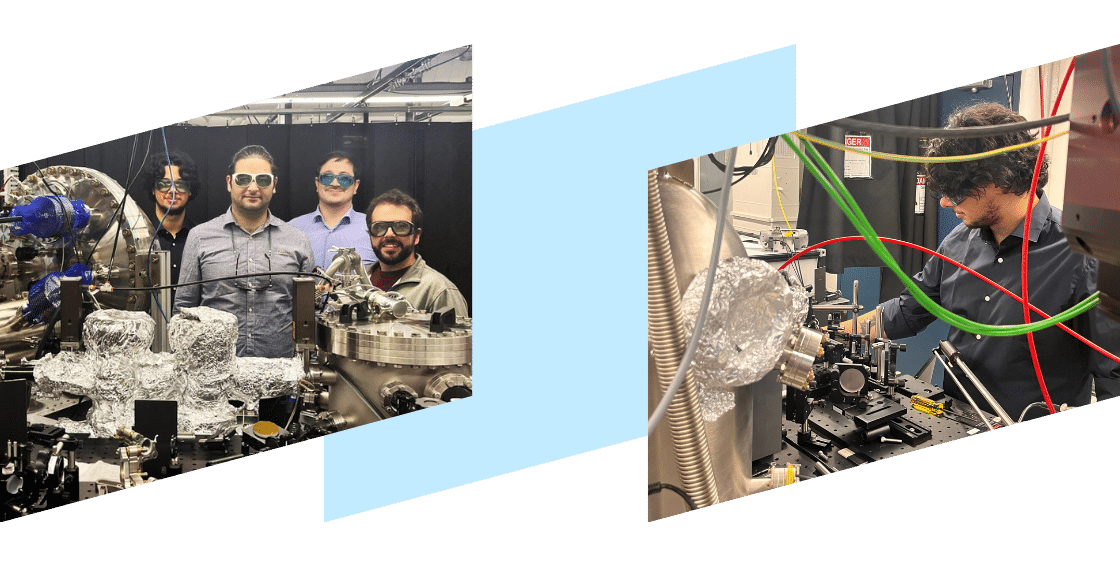
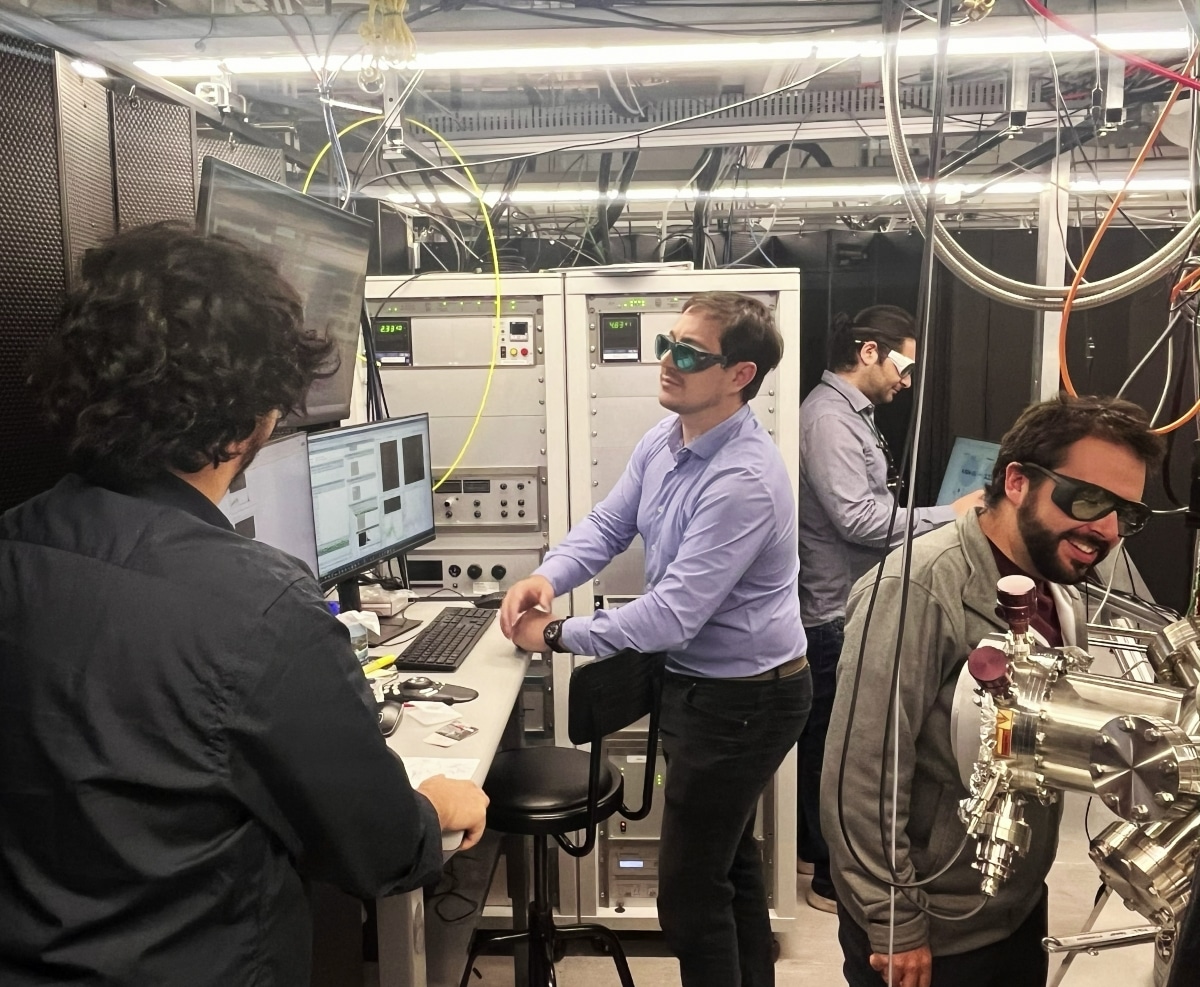
“Thanks to the unique capabilities of the TR-ARPES system at the ALLS laboratory at INRS, we were able to directly observe what happens when superconductivity temporarily disappears and then re-emerges. It is a bit like uncovering missing frames from a film that scientists have been trying to piece together for decades.”

— Dario Armanno, PhD student at INRS and first author of the study.

“This research is essential to advancing the quantum technologies of the future. It contributes to the training of highly qualified personnel in a field that is critical to Canada’s technological sovereignty and to the implementation of its National Quantum Strategy.”

— François Légaré, Director of the INRS Énergie Matériaux Télécommunications Research Centre.