
The INRS Chair aims to advance multifunctional materials and sustainable energy technologies for a cleaner, safer, and more resilient energy future.
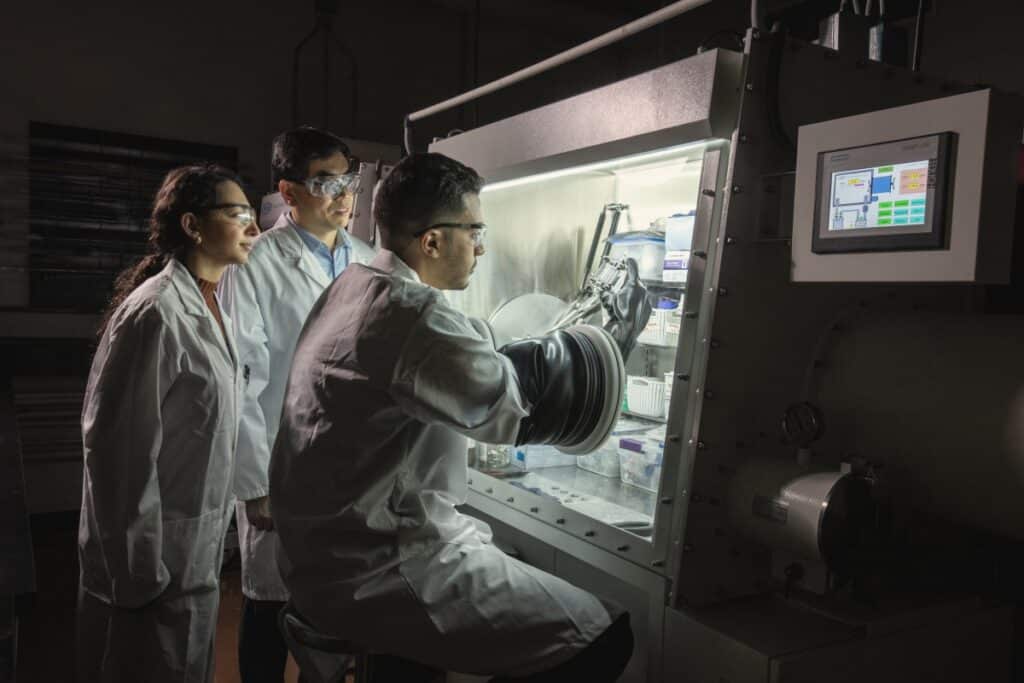
Its research program will design and integrate these materials into practical devices for sustainable energy conversion, storage, and environmental applications, with a focus on next-generation batteries, green hydrogen production, and fuel cells.
Bringing together materials science, device engineering, and real-time diagnostics, the Chair will address critical barriers to the efficiency, durability, safety, and scalability of emerging clean-energy technologies. By integrating circular-economy principles into materials design and device development, it will help reduce reliance on critical raw materials, extend device lifetimes, and accelerate the deployment of sustainable energy solutions for Québec and beyond.
Holder
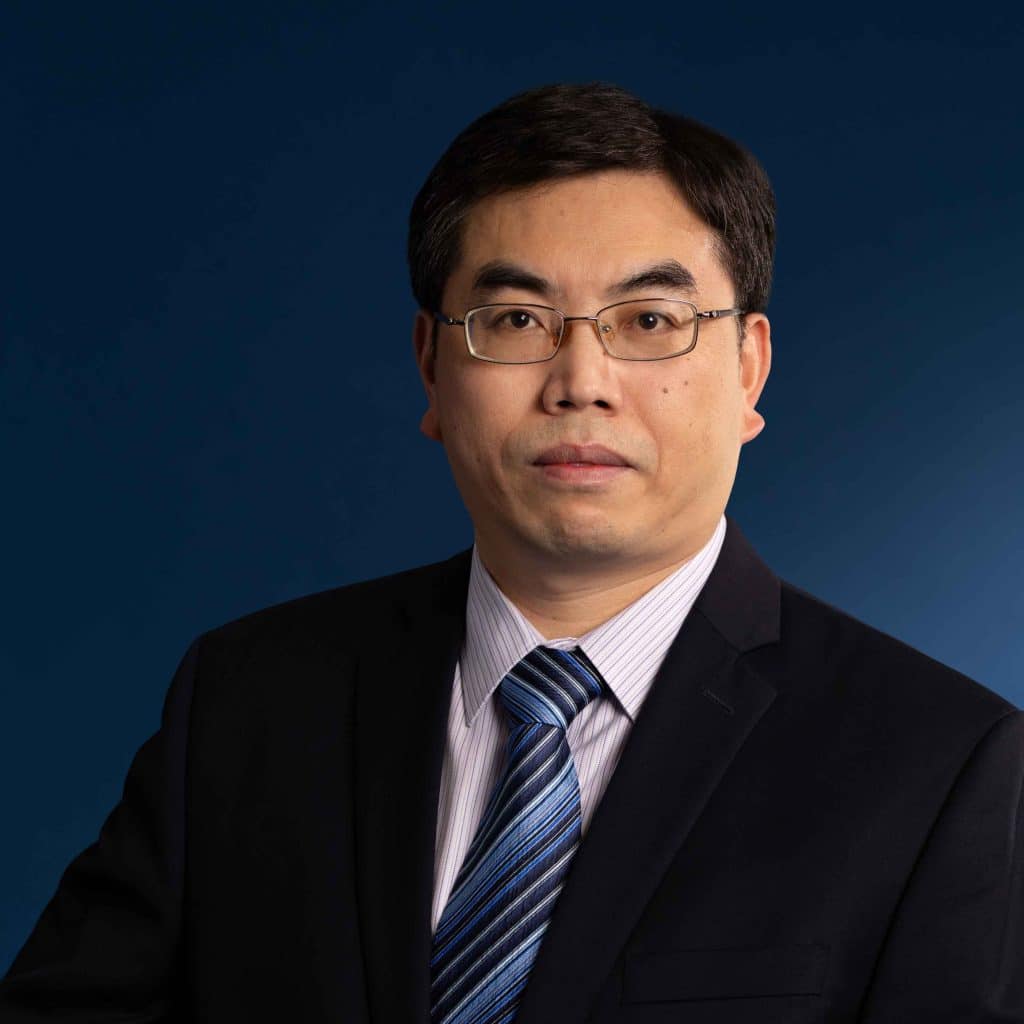
Professor Shuhui Sun is a Full Professor at the INRS Énergie Matériaux Télécommunications Research Centre. His research focuses on the design of multifunctional materials for sustainable energy and environmental applications, including fuel cells, batteries, green hydrogen production, CO2 reduction, and wastewater treatment.
He is a Fellow of the Royal Society of Canada, the Canadian Academy of Engineering, and the Royal Society of Chemistry (UK). He has also been recognized as a Clarivate Highly Cited Researcher and listed among the world’s top 2% scientists. He serves as Executive Editor-in-Chief of Electrochemical Energy Reviews (Springer Nature), Associate Editor of Nano Energy (Elsevier), and editorial board member of more than 10 journals in materials science and energy technologies.
Context
The transition toward a low-carbon society requires energy technologies that are high-performing, durable, safe, affordable, and sustainable throughout their life cycle. Achieving Québec’s and Canada’s goals in clean transportation, renewable energy integration, and industrial decarbonization requires reliable and scalable energy technologies. Batteries, hydrogen production systems, and fuel cells must operate efficiently and durably, including during Canada’s cold winters.
Current energy technologies still face major challenges, including limited durability, reduced performance under harsh conditions, dependence on critical raw materials, and difficulties in moving from laboratory to real-world applications. Multifunctional materials and nanotechnology can help address these challenges by combining several useful properties in a single material, making energy devices more efficient, durable, and reliable.
Goals
The Chair will pursue an integrated research program with the following objectives:
- Advance safer, longer-lasting, all-weather batteries, while promoting battery sustainability and recycling;
- Enable efficient green hydrogen production from diverse water sources, including seawater and wastewater;
- Develop high-performance hydrogen fuel cells for transportation, industrial, and emerging clean-energy applications;
- Use in situ and operando diagnostics to reveal reaction mechanisms and degradation pathways under realistic conditions;
- Translate discoveries into practical energy technologies through partnerships and train the next generation of clean-energy specialists.
Partners and collaborators
The Chair will build on Professor Sun’s well-established collaborations with academic institutions, research organizations, and industrial partners.
Key partners include INRS research teams, the Canadian Light Source, National Research Council Canada (NRC), Hydro-Québec, Ballard Power Systems, the Québec Centre for Advanced Materials (QCAM), and academic partners in Canada and internationally.