Why is it important?
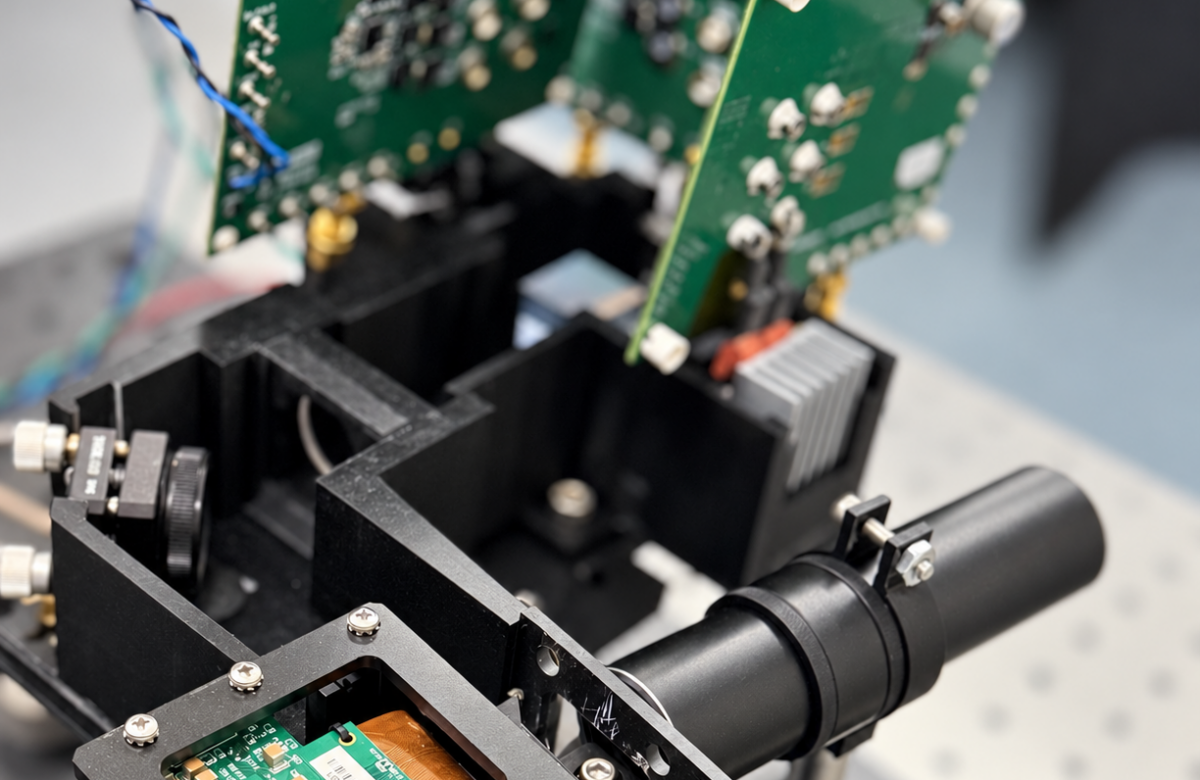
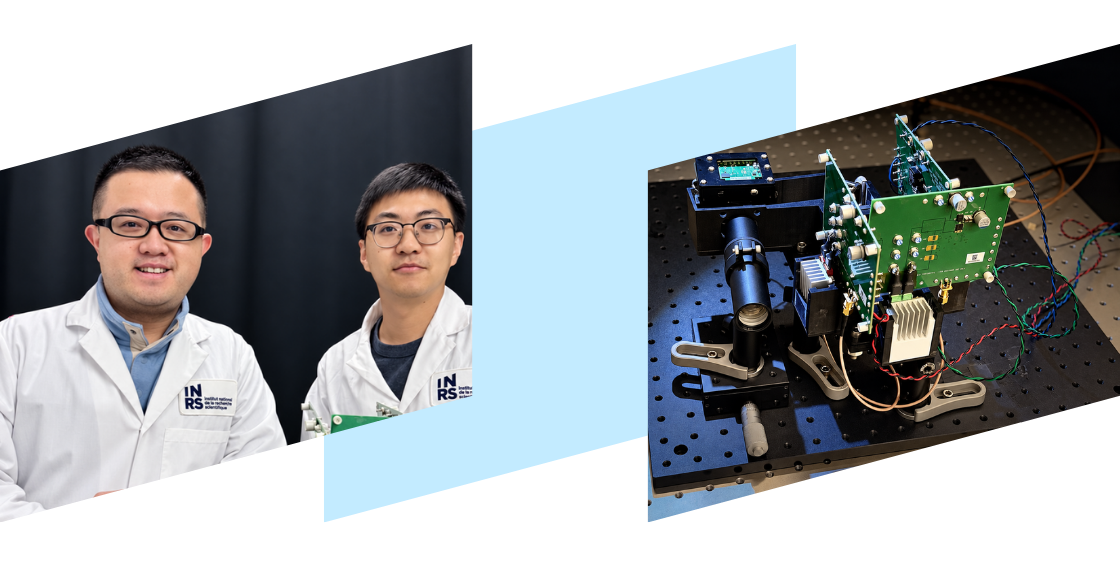
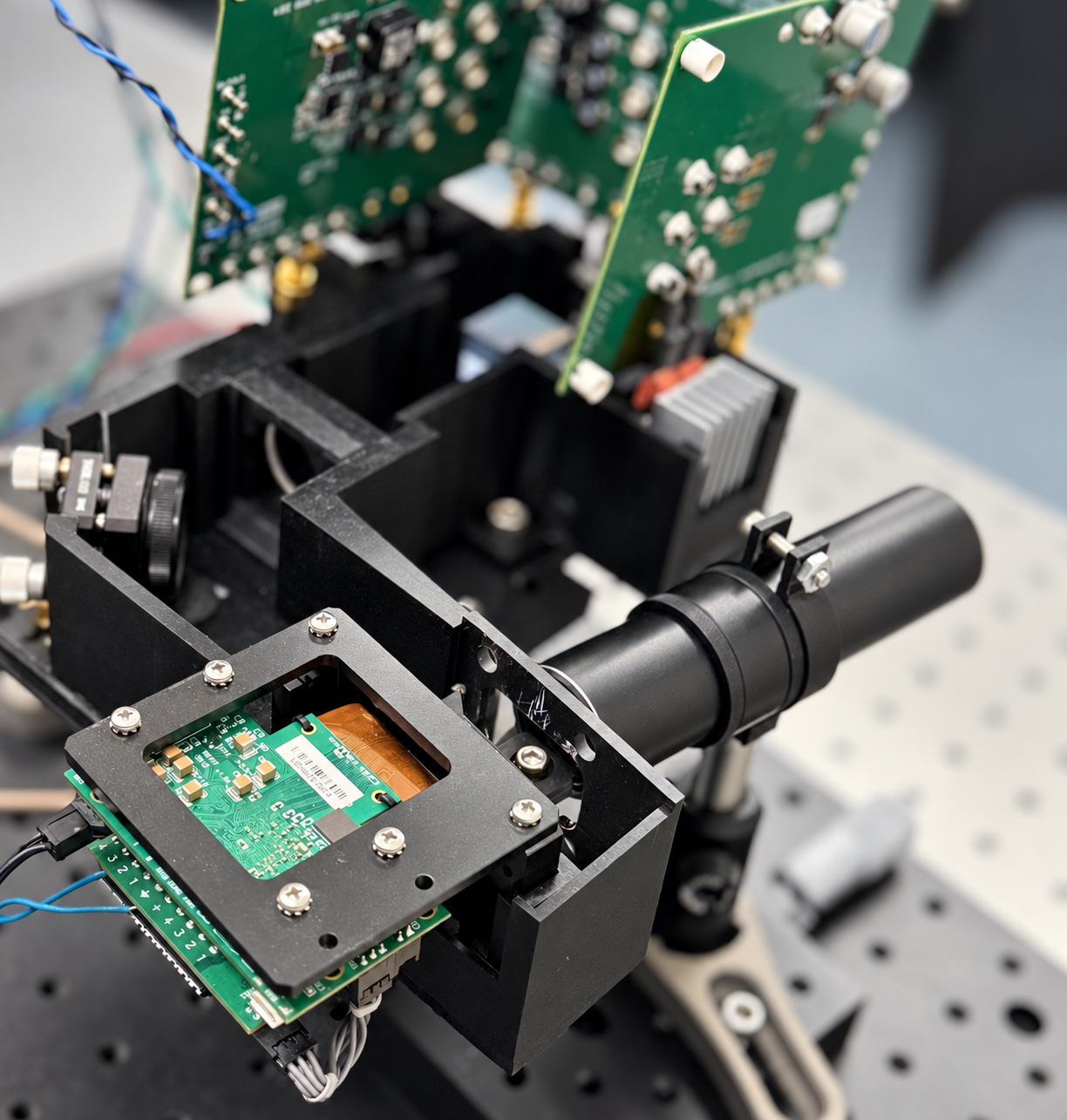
The team, based at the INRS Énergie Matériaux Télécommunications Research Centre, has developed a new ultrafast 3D imaging method called chromatically band-limited illumination profilometry (C-BLIP), capable of continuously capturing three-dimensional images at speeds of up to 150,000 frames per second.
This breakthrough makes it possible to observe and measure extremely rapid 3D phenomena, some of which are impossible to reproduce, such as the collision of a projectile with a jet-engine blade, the flight of maple samaras, and ultrasonic vibrations. The technology could find applications in fields including mechanics, aerodynamics, microfluidics, high-speed materials analysis, and additive manufacturing.
By combining a cost-effective optical design, eye-safe LED illumination, and a lightweight reconstruction method, the system makes ultrafast 3D imaging more accessible and practical for studying dynamic phenomena.