
- Research
INRS discovery paves the way for more sustainable solutions for Quebec growers.
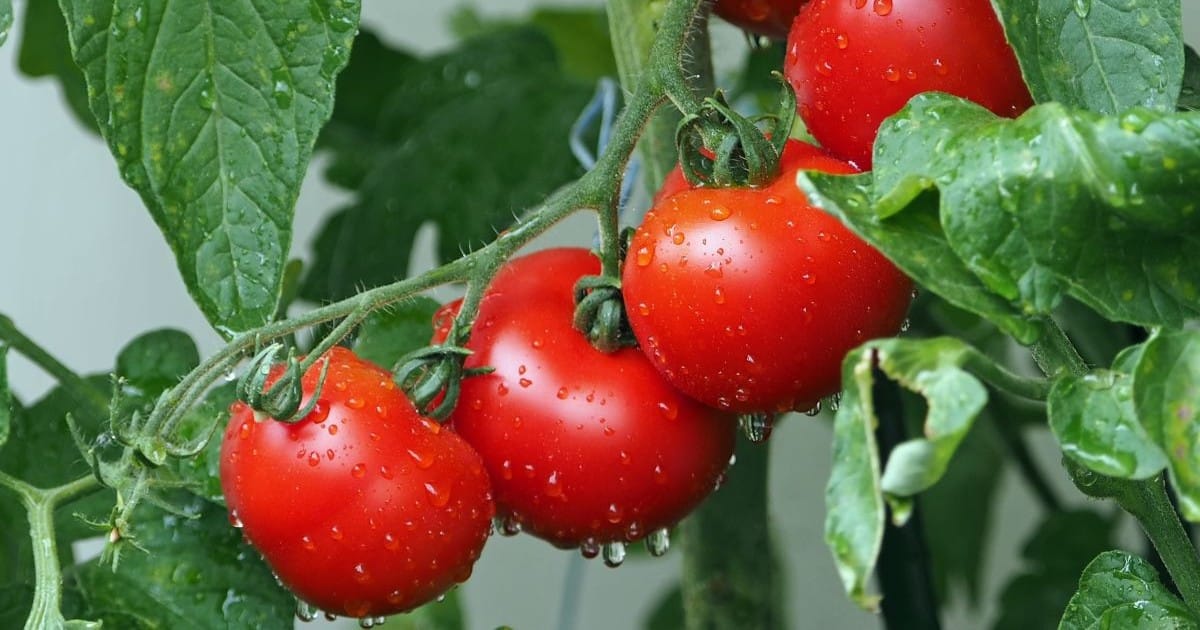
Reducing the use of chemical inputs while protecting crops from disease is one of the major challenges facing modern agriculture. In tomato production, bacterial canker is particularly problematic, causing significant yield losses and remaining difficult to control, especially in greenhouse operations.
Professor Éric Déziel of the Institute national de la recherche scientifique (INRS) has highlighted a promising avenue by identifying beneficial bacteria capable of both promoting tomato plant growth and protecting plants against this disease. To do so, his team screened more than 500 bacterial strains isolated from a variety of vegetable crop fields and preserved in their microorganism collection.
The findings were published in Applied and Environmental Microbiology, a journal of the American Society for Microbiology (ASM).
A Dual Benefit for Healthier Crops
The research team identified three particularly promising bacterial strains. One delayed the appearance of disease symptoms by up to seven days in tomato plants exposed to the pathogen and significantly reduced disease severity. Two others also demonstrated their ability to protect plants while promoting growth.
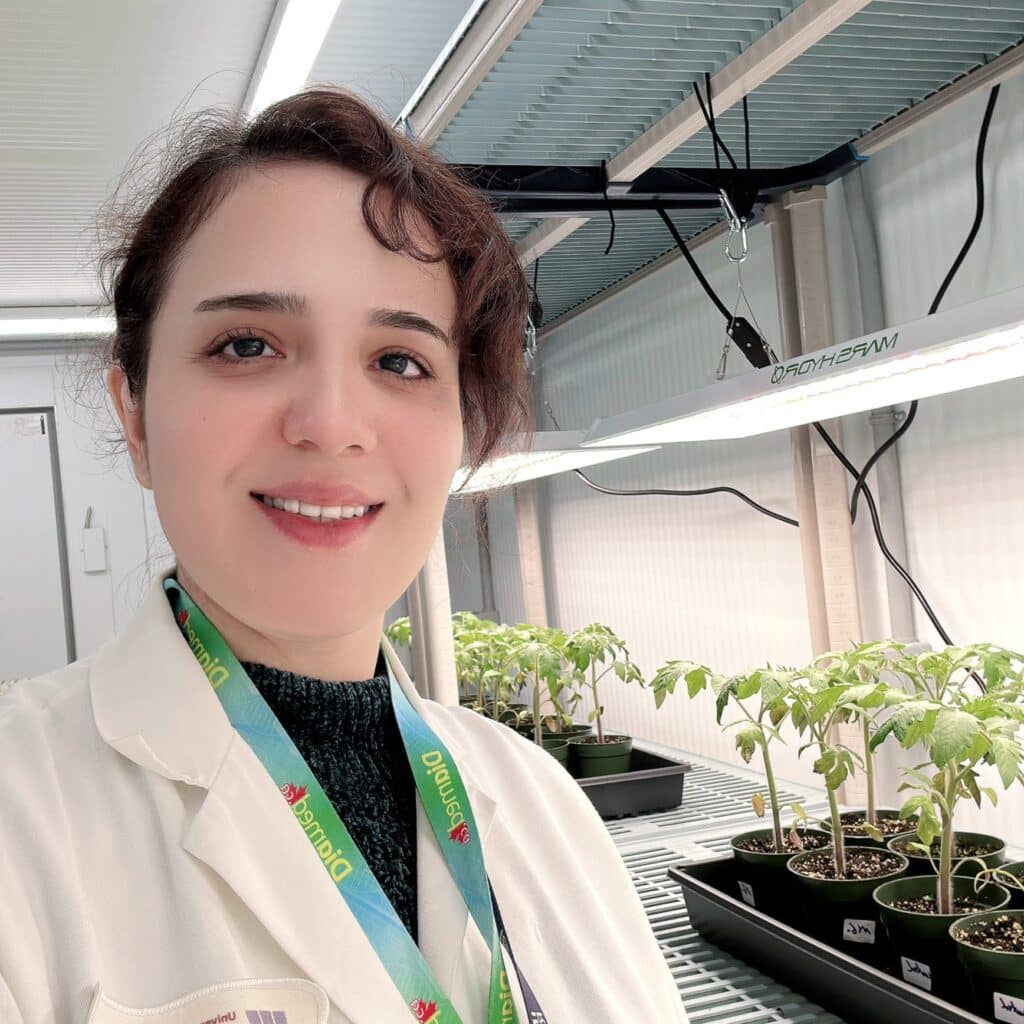
“We identified bacteria capable of protecting plants against a major disease while also enhancing their growth. This dual function represents a highly promising opportunity for more sustainable agriculture,” said Nasim Sedighian, an environmental microbiology researcher and first author of the study, who conducted this work during her postdoctoral fellowship at INRS.
Genomic analyses also revealed that two of the strains studied may belong to a previously unrecognized lineage within the Pseudomonas marginalis group, opening new avenues of research into beneficial plant-associated microorganisms.
Partnership-Based Research Driven by Industry Needs
For more than two decades, Professor Éric Déziel’s laboratory at the INRS Armand-Frappier Santé Biotechnology Research Centre in Laval has developed recognized expertise in beneficial microorganisms and their agricultural applications.
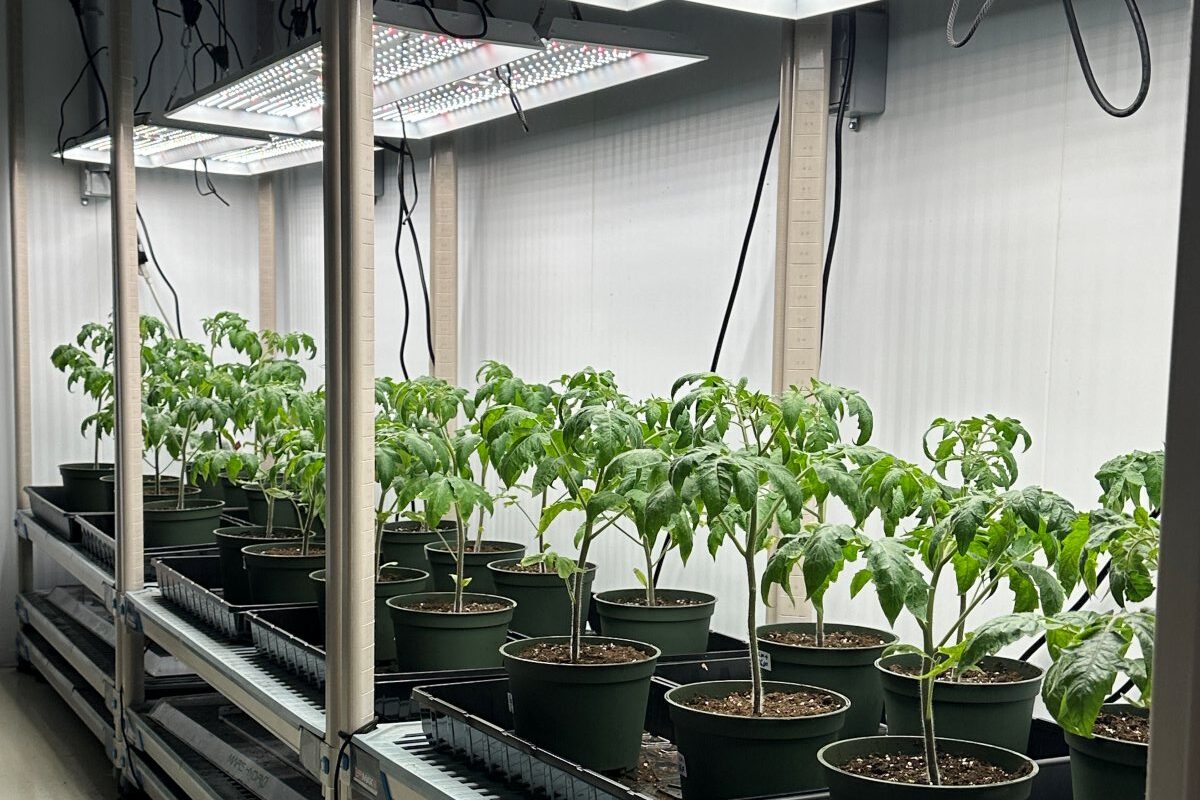
Conducted in collaboration with Agro-100 Ltd., a long-standing partner, this research addresses challenges identified by greenhouse tomato growers and seeks to develop biological solutions adapted to the realities of the sector.

“This research highlights the importance of partnerships between academia and industry in addressing real-world challenges facing the agricultural sector. In the long term, these microorganisms could provide growers with new tools to protect their crops more sustainably,” said Éric Déziel, INRS professor and holder of the Canada Research Chair in Fundamental and Applied Sociomicrobiology.
According to the research team, further testing under commercial growing conditions will be required to confirm the effectiveness of these bacterial strains and determine how they can be used most effectively.
About the Study
Identification of Beneficial Bacterial Strains for Tomato Growth Promotion and Biocontrol of Bacterial Canker Caused by Clavibacter michiganensis
Nasim Sedighian, Marie-Christine Groleau, Eric Déziel
bioRxiv 2026.06.01.729334; doi: https://doi.org/10.1128/aem.01087-26
This research was made possible through financial support from Agro-100, CRIBIQ and the Natural Sciences and Engineering Research Council of Canada (NSERC).