Why is this important?

The study introduces a new method for doping organic semiconductors, known as degradation-assisted doping (DAD), which significantly enhances their electrical conductivity. The researchers demonstrated that this approach can generate up to 100 times more charge carriers than conventional doping methods.

This discovery could support the development of higher-performance materials for applications in flexible electronics, optoelectronics, and thermoelectric technologies, while also paving the way for the use of less reactive molecules that may be less harmful to the environment.

In Their Own Words

Better understanding for better devices

“This method is not merely a fundamental discovery. Lewis acids are already used in the fabrication of electronic devices. Our findings now help explain why they work and identify pathways to further improve their efficiency.”

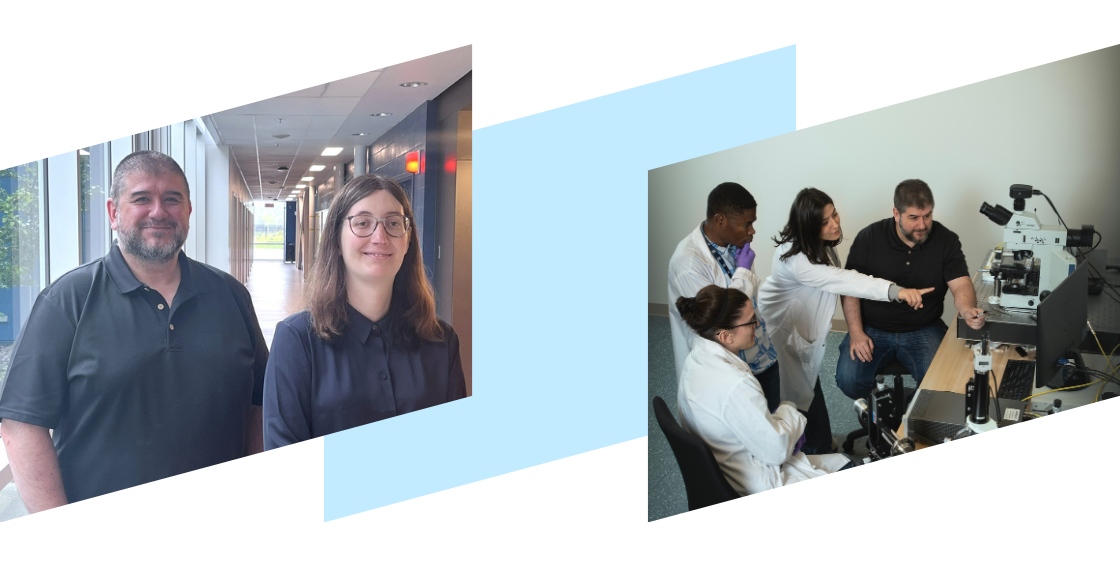
Melissa Berteau-Rainville, first author of the study and graduate of INRS’s PhD program in Energy and Materials Science

Better understanding for better devices

“This method is not merely a fundamental discovery. Lewis acids are already used in the fabrication of electronic devices. Our findings now help explain why they work and identify pathways to further improve their efficiency.”

Emanuele Orgiu, Professor at INRS, Centre Énergie Matériaux Télécommunications