
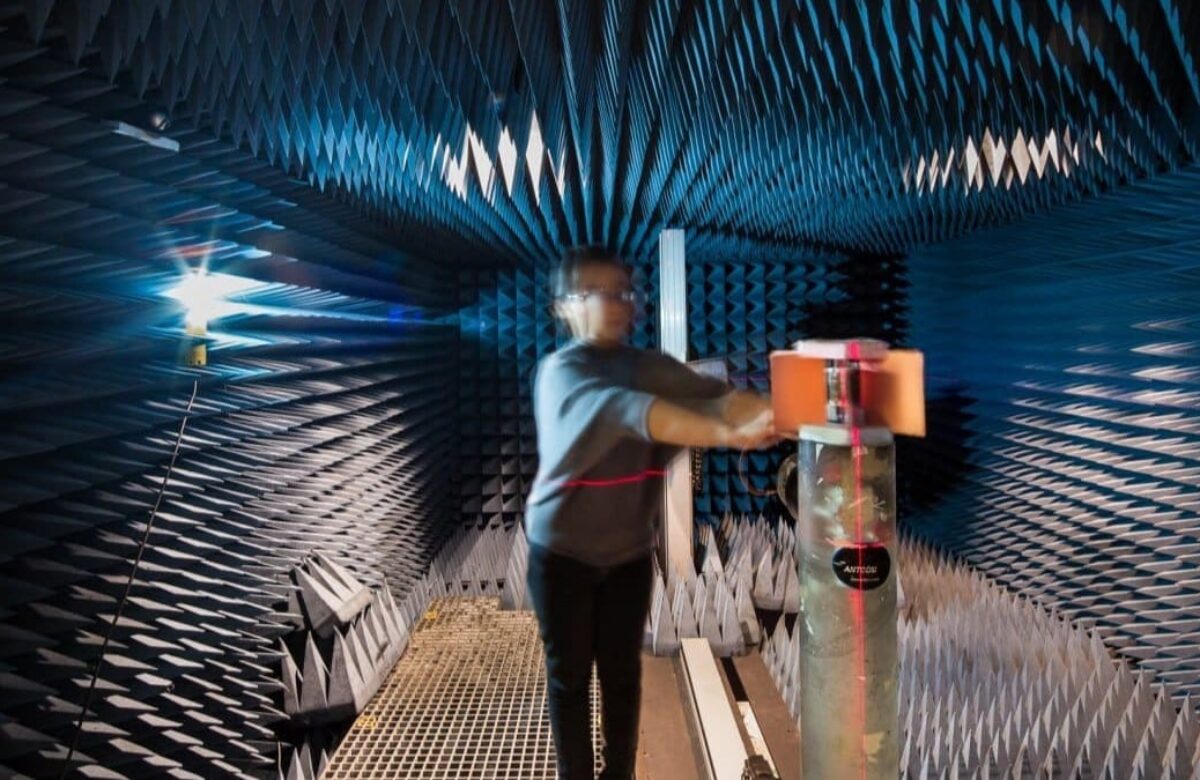
The Institutional Scientific Program (PSI) is the component of the Institut national de la recherche scientifique’s (INRS) Strategic Plan concerned with scientific implementation. It sets out a comprehensive vision that transcends the scientific programs specific to individual centres.
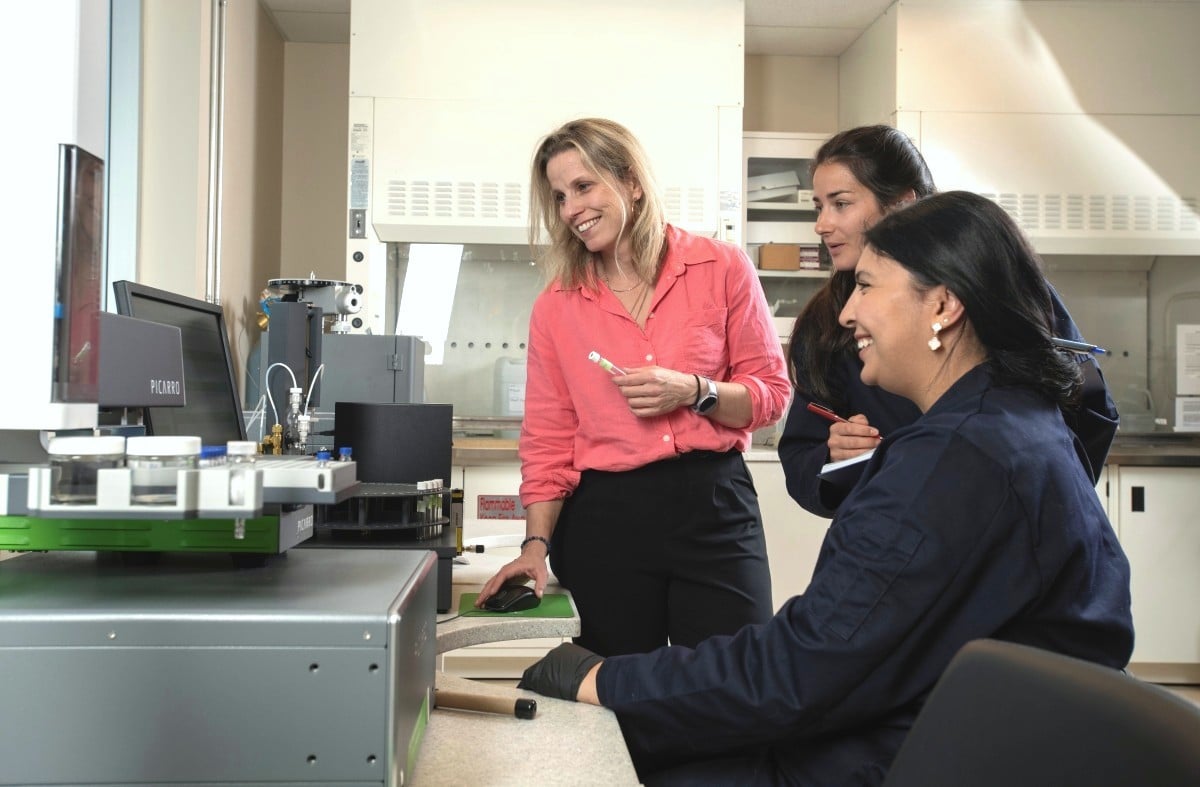
Mobilizing the intensity of research to generate positive, equitable and sustainable impacts
In keeping with the 2025–2030 Strategic Plan, this program identifies the priority societal challenges around which the INRS community is called upon to mobilize. It defines the strategic scientific directions guiding research, training, and the mobilization and transfer of knowledge, while facilitating collaboration among scientists.
View the Scientific Program (PDF in French)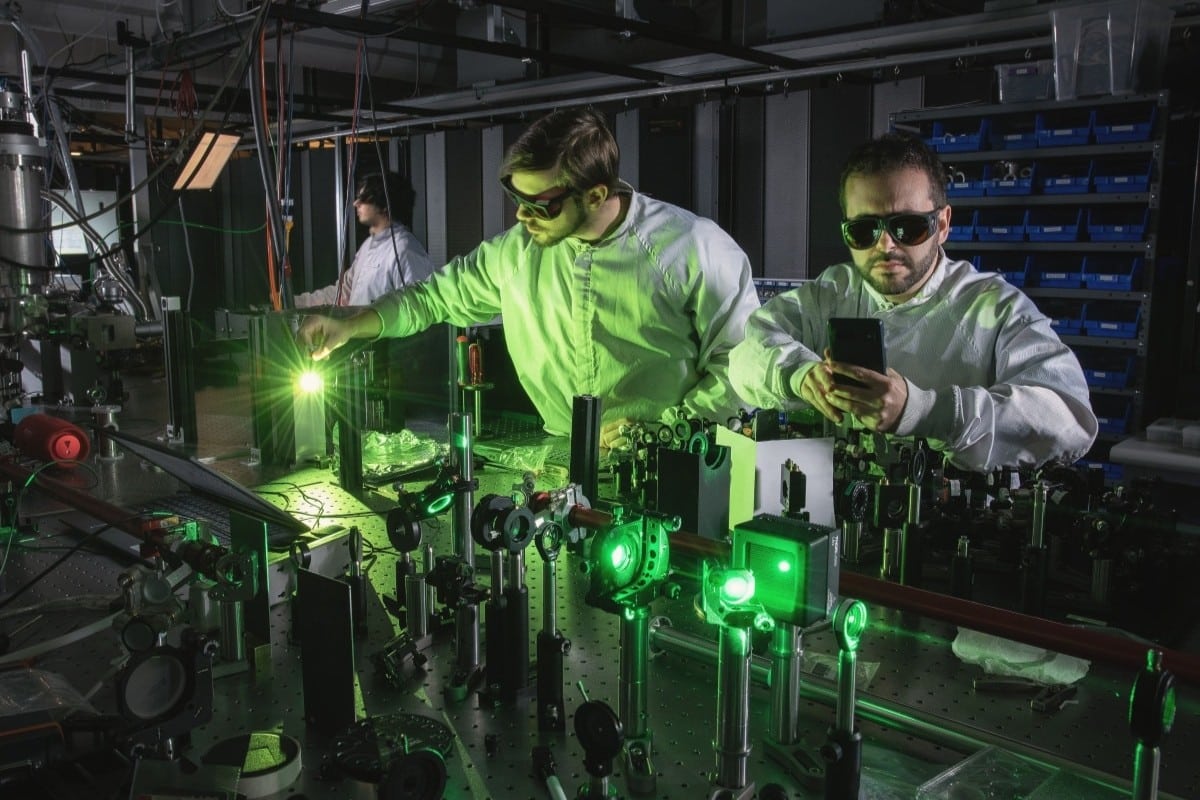
Strategic Focus Areas
The following factors were taken into account to specify the strategic focus areas:
- A societal issue or a broad set of needs defined by the community
- External conditions conducive to development
- A field that involves multiple centres, areas of expertise and disciplines
- Internal capabilities that can be leveraged for development
These focus areas help strengthen training, research and knowledge-transfer capacities related to subjects that address major societal issues in Quebec.
Socio-ecological Transitions
Supporting the social, environmental and economic resilience of communities, adaptation to change, and the regeneration of ecosystems
Read more
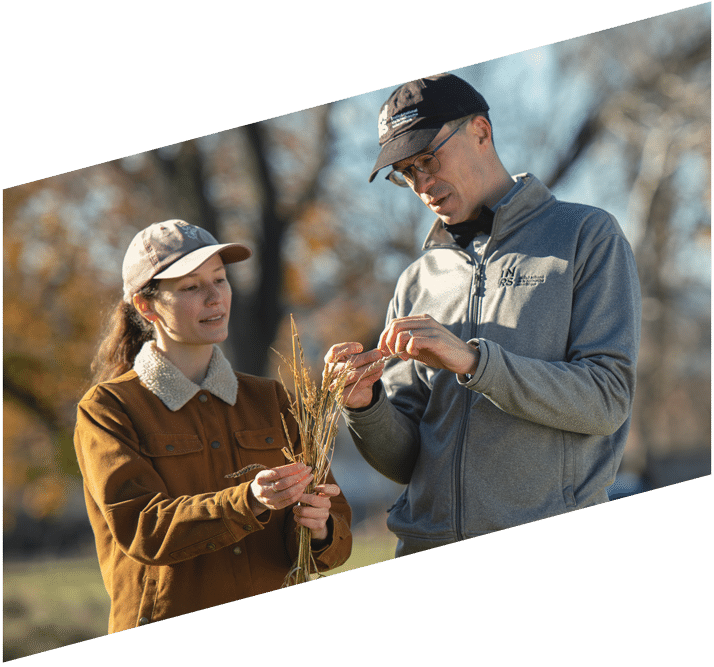
Current climate, energy and geopolitical pressures on natural resources – whether mineral, forest, agricultural or hydrological – are forcing the reconfiguration of socioeconomic systems. In this context, socio-ecological transitions, the circular economy and community empowerment are pillars of community vitality and sustainability. To help communities adapt to change and foster social, environmental and economic resilience, and to regenerate the ecosystems to which they belong, scientists must take action and innovate in several areas, including short cycles, an integrated approach to value chains, water recycling, bioproducts, supply chains and supply chain sovereignty, as well as self-determination and territorial empowerment.
Healthy Live(s)
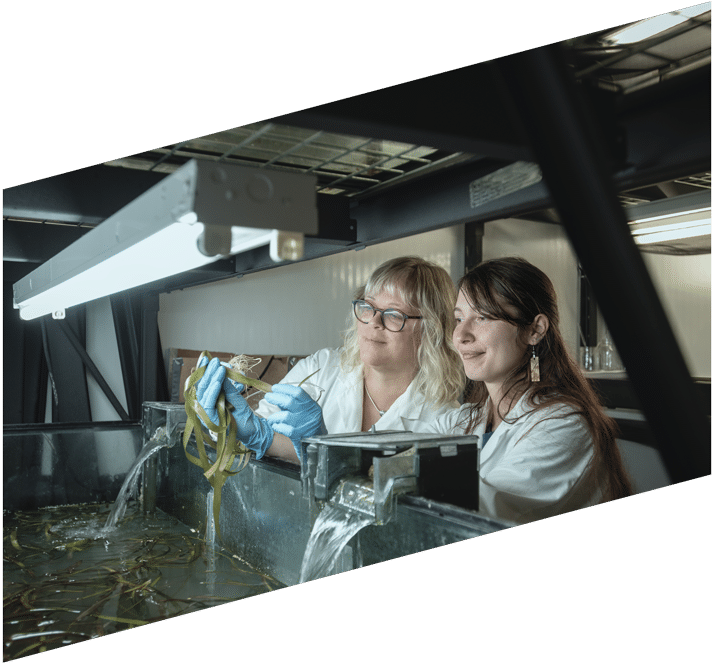
Integrating human, animal and environmental health for a systemic understanding of health and informed decision-making.
Read more
The post-pandemic popularity of the “One Health” concept – which recognizes the interdependence of human health (including mental health), animal health, and environmental or planetary health – is undeniable and well-founded.
In Quebec, as elsewhere, public administrations recognize the importance and complexity of an integrated approach to health. How can we promote healthy living, save human and animal lives, preserve the diversity and habitats of life on Earth, and work toward an environment that supports all these forms of healthy life in an integrated manner?
While the concept seems self-evident, putting it into practice remains a formidable challenge. Thanks to our unique structure, our concentration of expertise at the Armand-Frappier Health and Biotechnology Center (AFSB), and related expertise in our other centres, we at INRS are well-positioned to address this operationalization and train scientists capable of adopting a systems-based approach to designing coherent strategies for planning, management and decision-making.
Polycrises
Transforming the complexity associated with multiple crises into drivers for action to ensure community resilience and respond quickly and sustainably to the combined effects of crises.

Read more
The COVID-19 pandemic, the marked effects of climate change, wars and the significant geopolitical and socioeconomic uncertainties of this decade have heightened awareness of the concept of polycrises and its relevance among the scientific community and decision-makers. At INRS, our focus on polycrises begins with training scientists to address the complexity associated with multiple crises and transform it into levers for action that ensure community resilience and provide rapid, sustainable responses to the cumulative effects of climatic, social, political or health-related pressures.
Tailored academic programs offer a creative and agile pathway to understanding, analyzing and addressing polycrises from the perspective of decision-making amid considerable uncertainty and the development of interoperable or multi-purpose technologies that will help ensure the health and safety of populations and infrastructure. Research and the implementation of programs geared toward polycrises will require inter-centre collaborations, particularly for the co-supervision of students.
Photonics and Quantum Technology
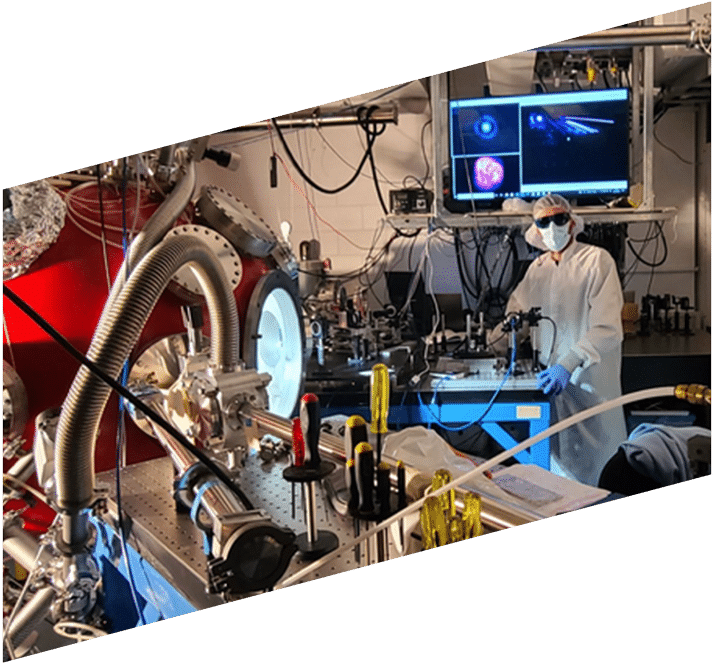
Catalyzing innovation in photonics and quantum technology for purposes of technological development and transfer in the fields of (cyber)security, energy, advanced manufacturing, health and telecommunications
Read more
The rapidly-evolving field of photonics and quantum science has seen fundamental research open the door to a wealth of applications across various sectors such as security, energy, advanced manufacturing, health and communications. The Quebec and Canadian industries have a growing need for scientists capable of developing or adapting photonic and quantum technologies to various applications, including sensors, cryptography, medical diagnosis and treatment, lasers and radiation sources, photonic materials, integrated photonics and quantum telecommunications.
This context offers opportunities for training, commercialization and the creation of new businesses. To support industrial growth in photonics, the creation of master’s and doctoral programs in this field is a strategic avenue for development for INRS and Quebec.
Scientific Governance and Knowledge Mobilization
Steering science to effectively deploy knowledge, connect systems, foster innovation, and transform research results into practices, policies and technologies.

Read more
To ensure that knowledge, discoveries and technologies are mobilized in a sustainable manner and tailored to major contemporary challenges, the Scientific Governance and Knowledge Mobilization focus area connects knowledge systems and promotes and disseminates innovation in accordance with our mission, since ethical scientific governance and optimal knowledge mobilization transform research results into practices, policies and technologies that benefit society.
The research directions to be developed focus specifically on scientific advisory practices and approaches for various communities. The sciences of implementation, knowledge mobilization and transfer, as well as the ethics of scientific governance and innovation, break down the barriers between science, technology and society. In short, research on research itself and on ways to sustainably integrate it into society will generate expertise that can be used to train students in scientific advisory services as well as expand and enhance the program’s course offerings in knowledge mobilization and transfer.
Pillars of Responsible Research
Three pillars of responsible research will contribute to societal development through research and training practices that generate positive, sustainable and equitable impacts aligned with the values set out in the Strategic Plan (commitment, collaboration and responsibility).
1- Integrity and Responsibility
Implement best practices in scientific and social responsibility at every stage of the research process.
2- Collaboration and Engagement
Be deeply embedded in research and innovation ecosystems to foster sustainable and transformative partnerships.
3- Impact-driven Research
Generate concrete and measurable outcomes by aligning scientific projects with major contemporary challenges and the specific mission of INRS (in French).

“Beyond thematic choices, this program is based on the deep conviction that research and training activities are acts of responsibility toward society, future generations and the integrity of knowledge. By consolidating these three pillars of responsible research, we propose a science that transforms as much as it unites and inspires confidence.”
Isabelle Delisle, Scientific Director (INRS, 2025–2030 Institutional Scientific Program, p. 2)
Scientific Programs of the Research Centres
The scientific programs of the research centres will be added shortly.
- Armand-Frappier Santé Biotechnologie Research Centre
- Eau Terre Environnement Research Centre
- Énergie Matériaux Télécommunications Research Centre
- Ruralités durables Research Centre
- Urbanisation Culture Société Research Centre
Consulter la planification stratégique
Institutional Documents

Strategic Plan
Scientific Program