
- Research
An interview with Isabelle Delisle, INRS Scientific Director.
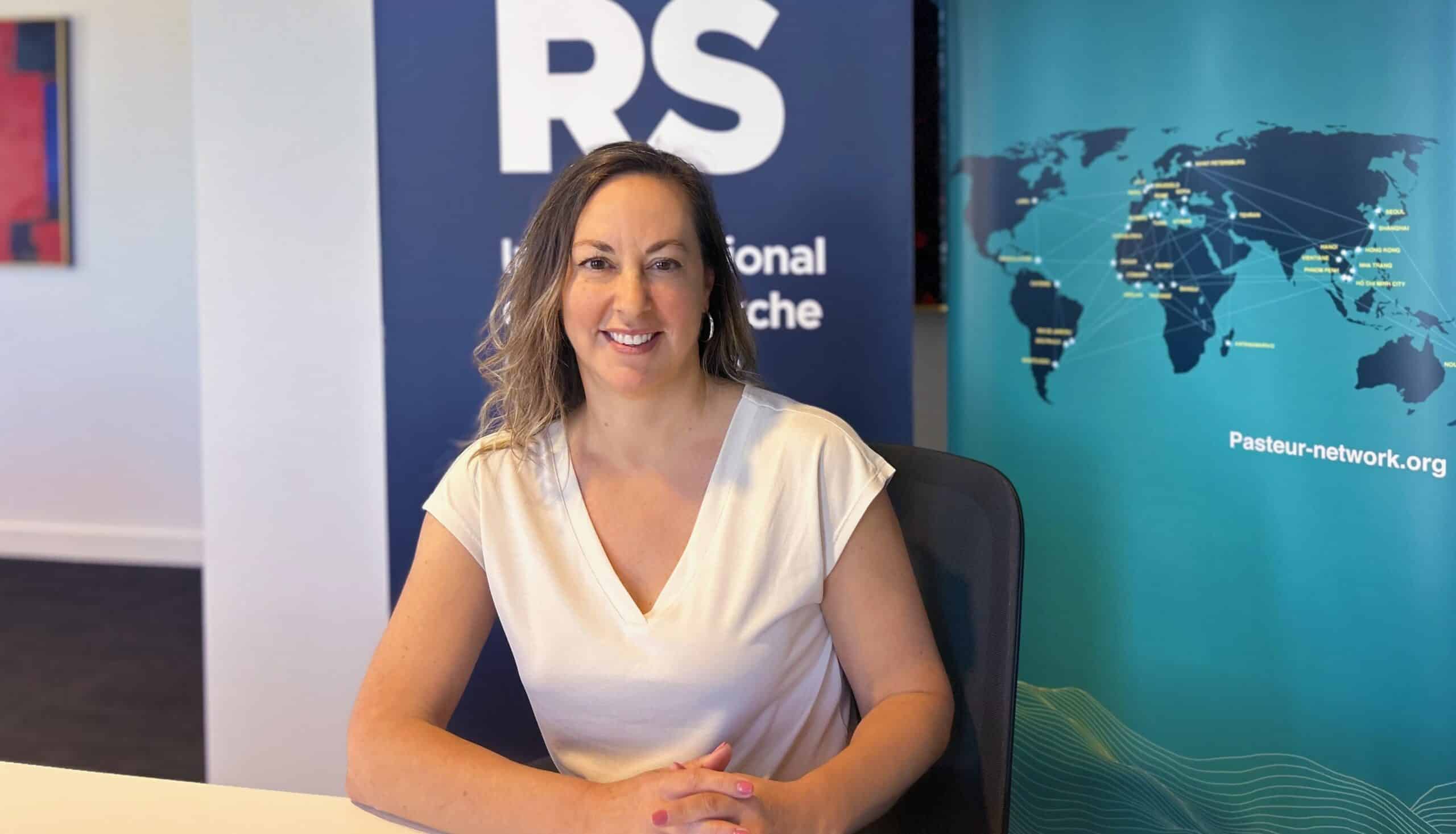
Isabelle Delisle, Scientific Director of the INRS
Public health challenges increasingly require expertise from multiple fields to better understand complex issues and develop solutions tailored to the realities of our societies. It is in this context that INRS is taking a new step in its commitment to the Pasteur Network (PN) by extending its participation to all of its research centres and joint research units.
As the Pasteur Network’s annual meeting (PNAM 2026), which INRS will host in Laval in early November, approaches, INRS Scientific Director Isabelle Delisle reflects on the significance of this new chapter for both the Institute and the PN, as well as the new opportunities it creates for research, cross-disciplinary collaboration, scientific training, and international partnerships.
Why is this new step important today?
The past few years have reminded us that public health challenges are deeply intertwined with social, environmental, economic, and even geopolitical realities. They have also highlighted the vital role that research and its impacts play in society. In this context, it is essential to bring together complementary areas of expertise to better understand these challenges and respond to them effectively.
INRS’s expanded membership in the Pasteur Network allows us to bring together diverse perspectives, ranging from health sciences to environmental sciences, digital technologies, and the social sciences, in order to contribute more effectively to the search for solutions.
What does this institutional membership change in practical terms?
For more than twenty years, the INRS Armand-Frappier Santé Biotechnologie (AFSB) Research Centre has played a key role within the Pasteur Network (PN) and was for many years its only regular member in North America. This relationship is rooted in the legacy of Armand Frappier, a pioneer in the fight against infectious diseases and a close collaborator of the Institut Pasteur. Today, this historic connection is taking on a new dimension by enabling the entire INRS research community to participate more actively in the PN’s activities.

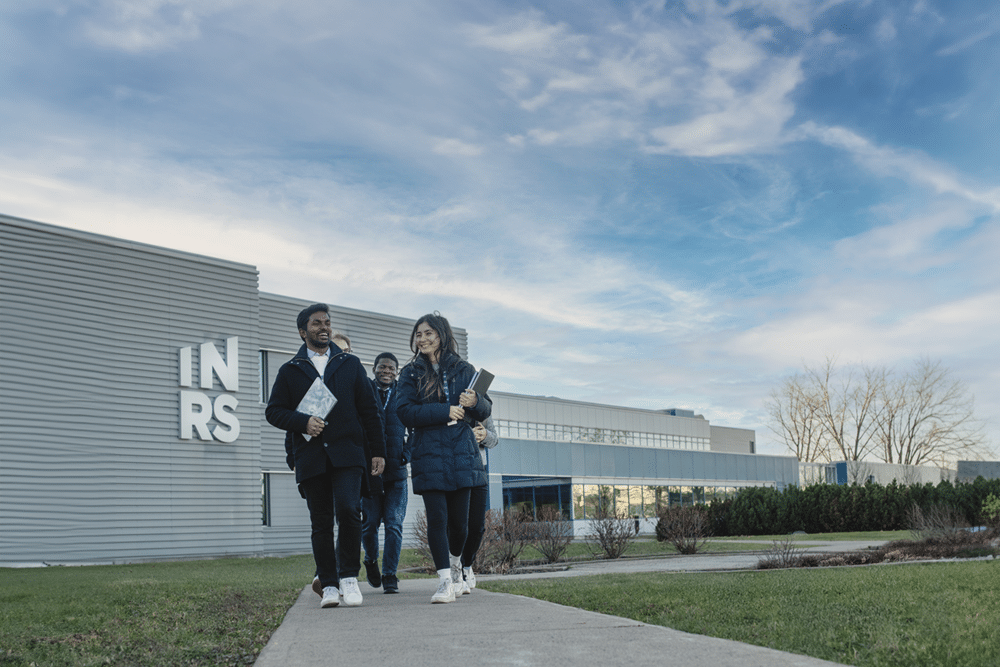
True to its distinctive mission of advancing mission-driven research that addresses major societal challenges, INRS brings together complementary expertise around complex issues rather than traditional disciplinary boundaries. This institutional membership will enable researchers from our five research centres and joint research units to contribute fully to the PN’s working groups, projects, and collaborative initiatives.
What expertise does INRS bring to the Pasteur Network?
The Network is already well acquainted with the strengths of our AFSB Research Centre in microbiology, virology, immunology, and public health, under the leadership of Professor David Chatenet.
This institutional membership will now make it possible to leverage the full breadth of INRS expertise and research capacity in areas such as environmental health, climate change, water quality, artificial intelligence, advanced technologies, population health, and public policy.
By fostering dialogue among these fields of knowledge, we will be better equipped to contribute to the challenges that are central to the Pasteur Network, whether in the areas of One Health, community resilience, or other complex issues at the intersection of science and society.
Beyond its scientific expertise, INRS also brings to the Network a strong capacity to develop interdisciplinary approaches that are closely connected to the needs of communities, public decision-makers, and socioeconomic partners. This close connection to real-world challenges is one of our institution’s defining strengths.
How does this vision align with the mission of the Pasteur Network?
This vision is closely aligned with the one outlined in our 2025–2030 Institutional Scientific Program. At INRS, we believe that today’s major challenges require innovative, integrated, and collaborative approaches. This is why we have identified several strategic areas positioned at the intersection of three dimensions: recognized scientific strengths within INRS, clearly expressed societal needs, and a favourable context for generating new knowledge and solutions.
Several of these strategic areas, particularly in One Health, socioecological transitions, and polycrisis management, directly align with the priorities of the Pasteur Network. We share the same commitment to improving our understanding of complex challenges in order to help societies anticipate change, strengthen resilience, and make informed decisions.
This approach is grounded in principles that are central to our mission: responsible research, collaboration, and impact. The PN offers an exceptional environment for bringing this vision to life by fostering exchanges across disciplines, among some thirty institutions and twenty-five countries. Together, we can mobilize science where it is needed most and generate tangible benefits for populations.
What does this mean for the next generation of researchers?
The benefits will be considerable. Of course, students and early-career researchers will gain access to training opportunities, international networks, and unique collaborative experiences. But what seems particularly important to me is the development of skills that are now essential for research.
The major challenges we face require the ability to work with people from different disciplines, cultures, and backgrounds.
The Pasteur Network provides an exceptional environment in which to develop these skills and contribute to international projects with tangible benefits for society. This momentum is already reflected in training and exchange activities developed with Network partners, particularly in research leadership and emerging issues such as the links between climate and health, in collaboration with the Faculty of Medicine at the Université de Montréal, which recently joined the Pasteur Network as an associate member.
In a few words, what does this expanded membership represent?
This expanded membership marks the beginning of a new chapter for INRS within the Pasteur Network. It enables our research community, present throughout Québec, to engage even more actively in international collaborations addressing complex challenges that affect our societies.
It also represents an opportunity for Québec to benefit more fully from a global network of scientific excellence through knowledge sharing, research collaborations, and the development of solutions tailored to our realities.
For PN members, it also means being able to draw on the full breadth of INRS expertise and work together to advance science that is collaborative, responsible, and impactful.