
Professor Karin Kleiner’s research is dedicated to developing smart energy materials that can drive the energy transition and mitigate the effects of global warming. As part of the Canada Research Chairs program, she focuses on sustainable manufacturing processes and the design of cost- and energy-efficient battery materials with improved performance.
Holder
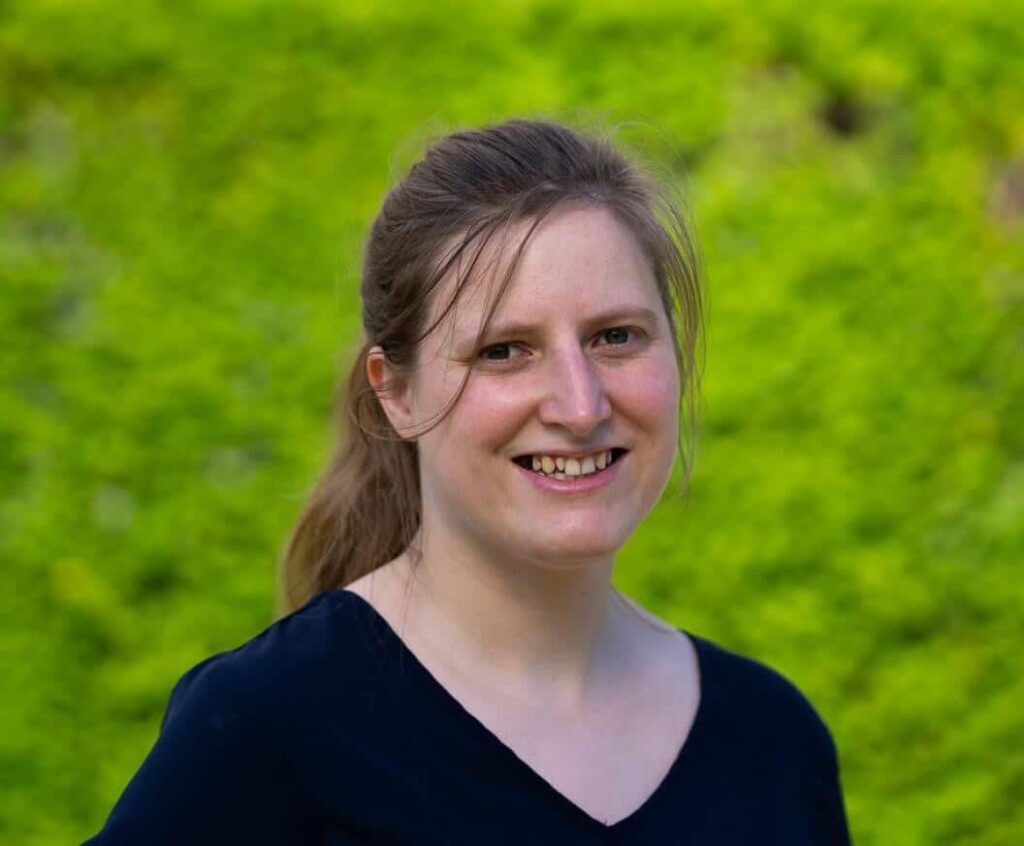
Karin Kleiner, Professor
- Regular member of the INRS-UQTR Joint Research Unit | Energy Transition
- Chairholder of the Canada Research Chair in New Energy Materials
Background
Greenhouse gas emissions (GHGs) released from energy-intensive industrial processes and transportation, among other sources, are responsible for global warming, which is causing extreme weather events affecting the human population worldwide. With 70% grid-to-consumer efficiency and the potential for zero GHGs when powered by renewables, batteries are one of the most promising technologies for a low-carbon transport industry, as transportation accounts for 33% of global GHG emissions.
However, challenges such as performance limitations, high costs, environmental concerns in production and recycling, and resource supply chain issues require further research and innovation.
Objectives
The proposed CRC program aims to enhance the sustainability of LiBs by combining two approaches:
1. Novel synthesis routes for low carbon, cost-effective energy storage
2. Application-oriented modifications to improve the battery performance
The synthesis of high-energy cathode materials, the most expensive and energy-intensive process in battery manufacturing, is associated with the use of critical raw materials such as cobalt, the generation of wastewater, and energy-demanding calcination steps.
Objective 1 of the proposed CRC program focuses on developing sustainable and energy-efficient manufacturing routes for advanced battery cathodes through an innovative spray-drying approach that reduces harmful process chemicals and lowers calcination energy demands. In addition, the team has developed a novel synthesis strategy that replaces critical cobalt with more abundant and cost-effective iron, supporting more sustainable, affordable, and resilient battery technologies.
Objective 2 focuses on the development of Co-free Fe-based layered oxide blends with a linearly increasing voltage profile, combining the high energy density of layered oxides with improved cycle life and enhanced rate capability enabled by blending strategies. To achieve these objectives, unique advanced operando spectroscopy and diffraction techniques are employed to guide synthesis and to tune key electrochemical performance parameters in real time.
This CRC program will allow the training of HQP and provide key insights into the synthesis and manufacturing of smart battery materials that play a critical role in driving the energy transition towards a low-carbon economy and society.