
- Academic Life
INRS professors Valérie S. Langlois and Isabelle Plante are continuing their commitment to science outreach with a new book that brings a complex environmental issue within reach of a broad audience.
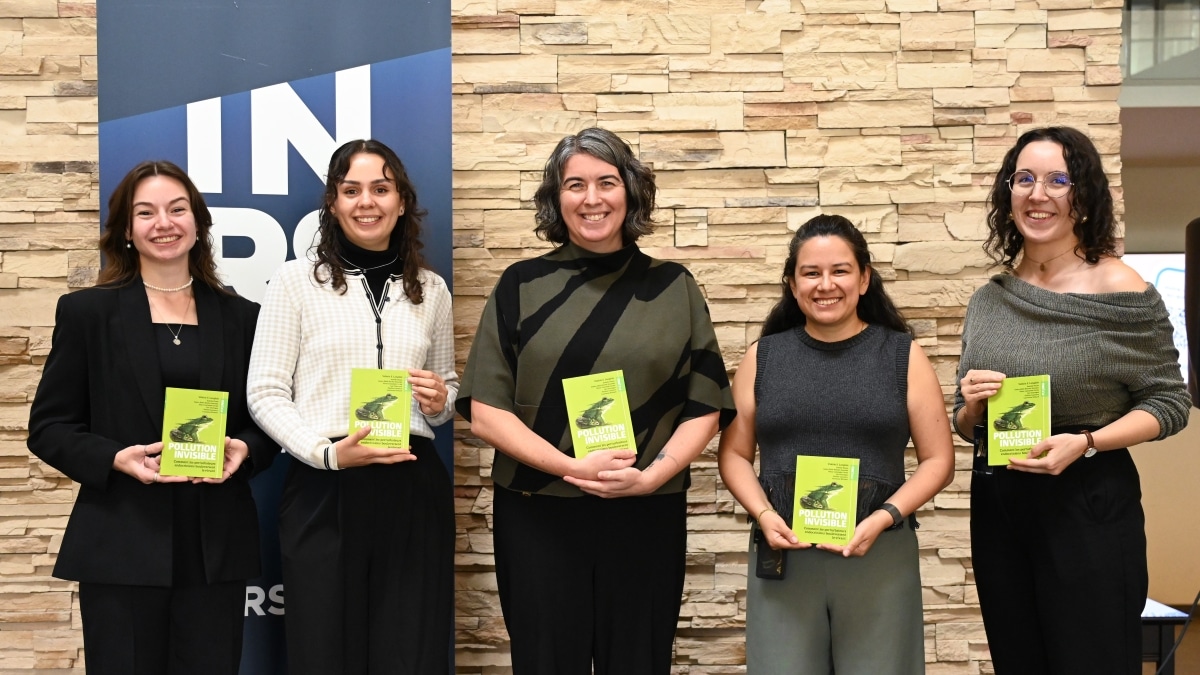
Photo : Laurianne Richard, Jessica Edith Benitez Gonzalez , Valérie S. Langlois, Diana Castañeda-Cortés, Pauline Laurency
INRS professors Valérie S. Langlois and Isabelle Plante are continuing their commitment to science outreach with a new book that brings a complex environmental issue within reach of a broad audience.
What are endocrine disruptors, and where are they found? How do these chemicals affect the health of people, wildlife and ecosystems? In their new book, Invisible Pollution: How Endocrine Disruptors Are Disrupting Life, the two researchers, together with Jessica Edith Benitez Gonzalez, Diana Castañeda-Cortés, Léa Chartogne, Pauline Laurency and Laurianne Richard, explore the science behind these widespread contaminants and their impacts on the living world.
Published by Presses de l’Université du Québec (PUQ), the book explains how endocrine disruptors can interfere with hormone signaling by mimicking or blocking natural hormones. Through a series of accessible examples, readers discover how these substances can affect biological processes ranging from feather development in birds and metamorphosis in frogs to certain hormone-related cancers in humans.
Where Health and Environment Meet
As experts in endocrinology and toxicology, and co-founders of the Intersectoral Centre for the Analysis of Endocrine Disruptors (CIAPE), Valérie S. Langlois and Isabelle Plante have dedicated much of their research careers to understanding the effects of endocrine-disrupting chemicals and sharing that knowledge beyond the scientific community.
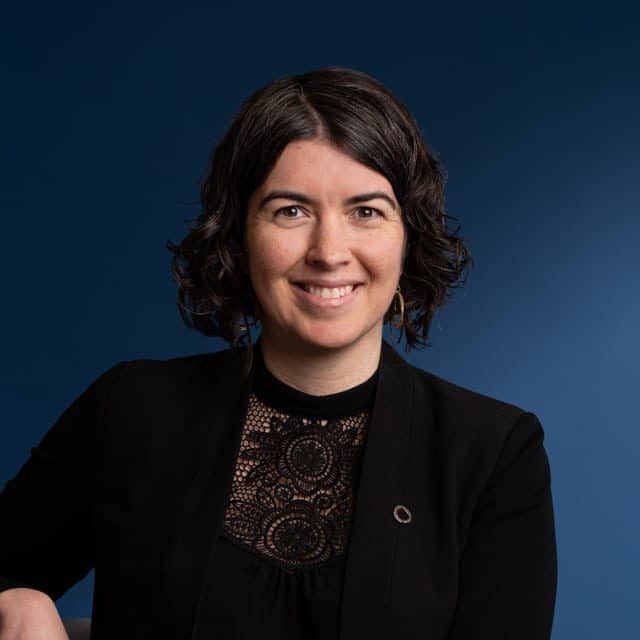
“For years, our research has helped advance our understanding of how endocrine disruptors affect both human health and ecosystems. With Invisible Pollution, we wanted to make this science accessible and give readers the tools they need to better understand an issue that touches all of us.”
Valérie S. Langlois, INRS Professor and Canada Research Chair in Ecotoxicogenomics and Endocrine Disruption
Blending scientific rigor with engaging storytelling, the book introduces readers to the major classes of endocrine disruptors, the challenges they pose to environmental and public health, and the solutions being explored to reduce exposure and limit their impacts.
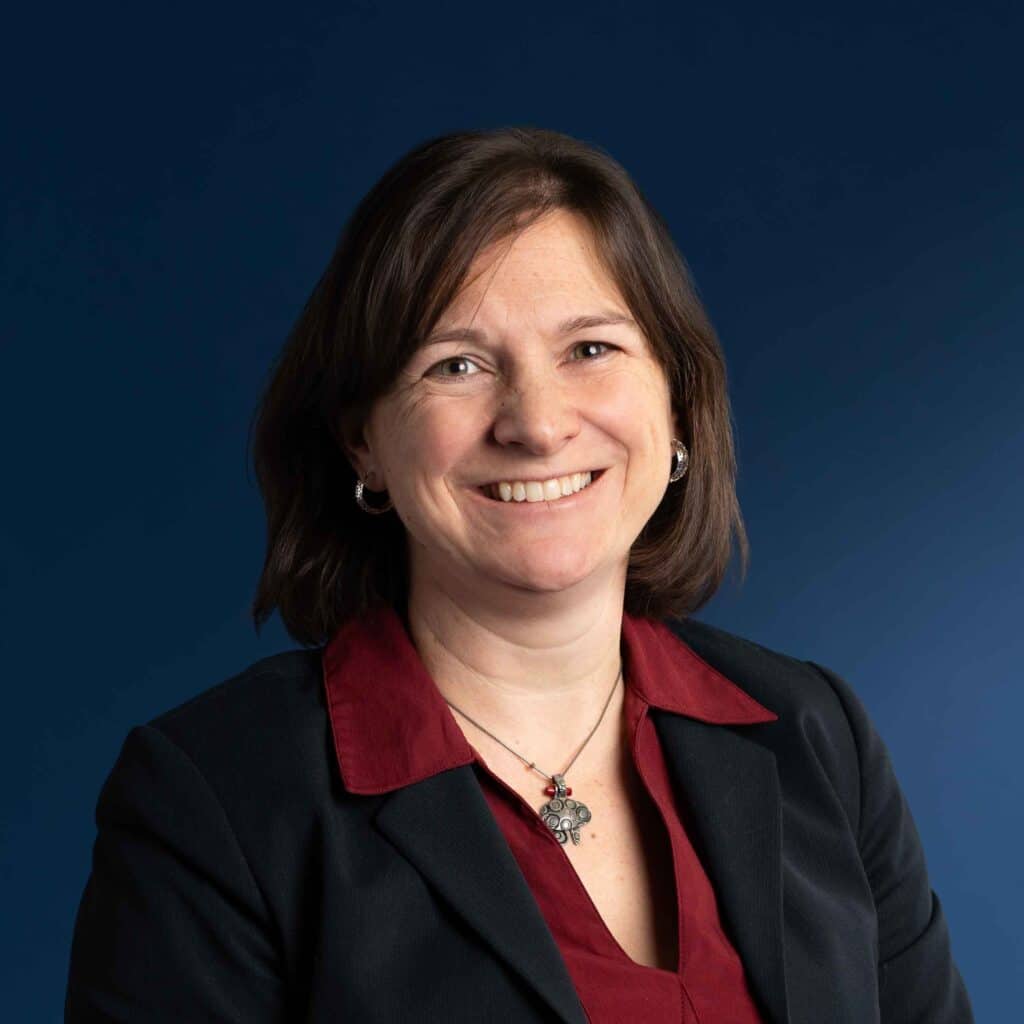
“Hormones regulate countless essential functions in living organisms. Understanding how environmental contaminants can interfere with these processes is key to protecting the health of both communities and ecosystems.”
Isabelle Plante, INRS Professor and Chairholder of the INRS Research Chair on Endocrine Disruptors and Mammary Glands: From Mechanisms of Action to Toxicological Risks
The book was recently launched at the INRS Centre Eau Terre Environnement in Québec City, bringing together members of the INRS community and the public for a discussion on one of the most pressing environmental health issues of our time.
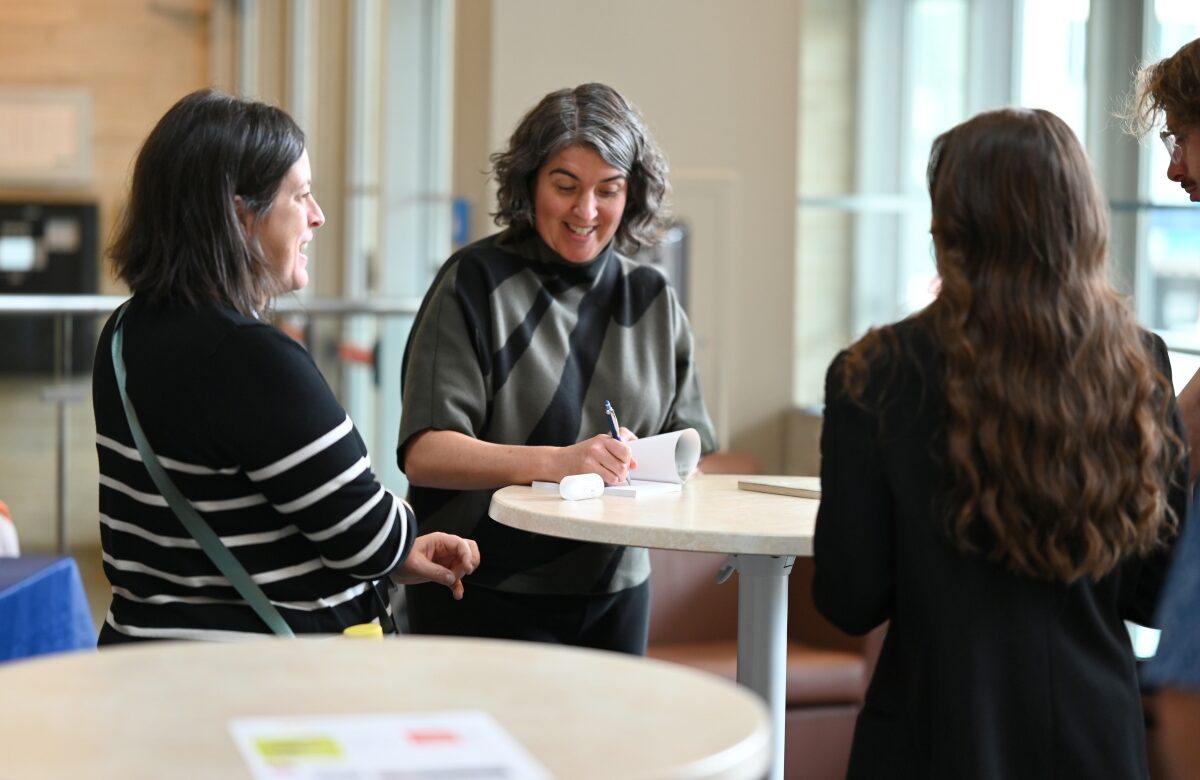
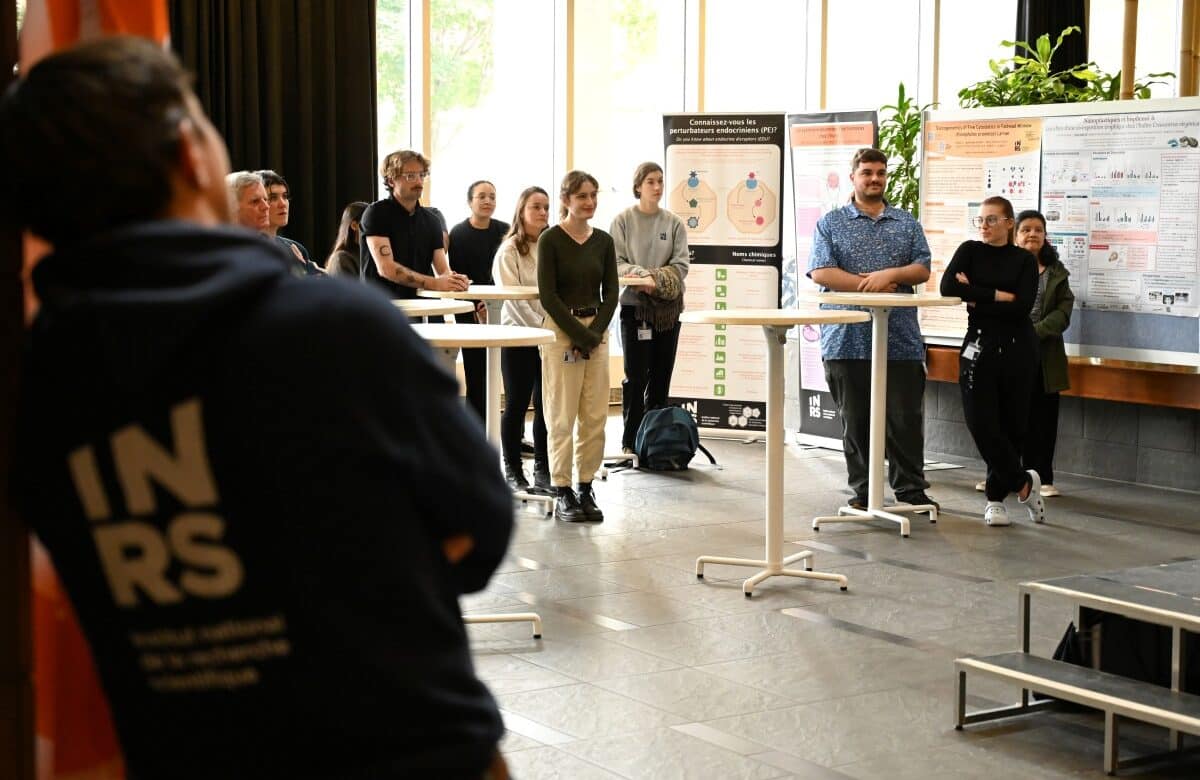
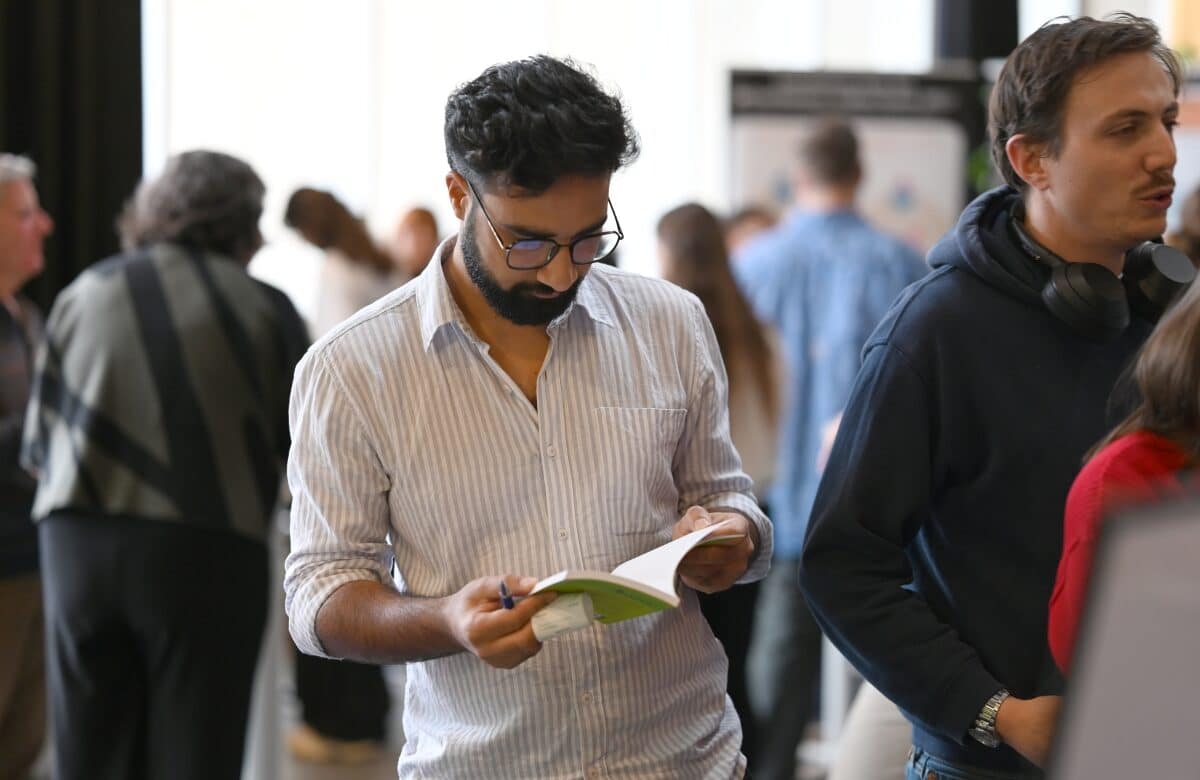
Pollution invisible : Comment les perturbateurs endocriniens bouleversent le vivant is now available from Presses de l’Université du Québec.
Watch the Savoir média feature (in french)
Also Recommended
Fear of Mosquitoes: Comfort at What Cost?
Published recently in the same collection, this book by Valérie S. Langlois (INRS), Clayton Peterson (UQTR), Bert Klein (formerly with Québec’s Ministry of the Environment, the Fight Against Climate Change, Wildlife and Parks), and Alexis Pelletier-Côté (INRS student) examines the environmental consequences of pesticide use for mosquito control.
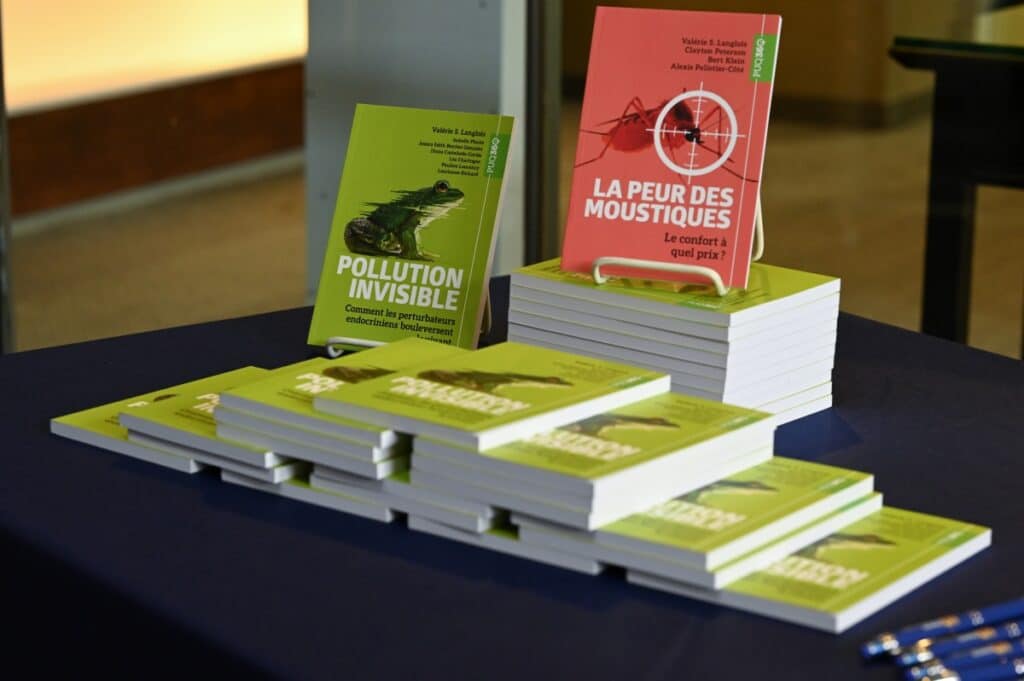
The authors tackle a simple but important question: how far are we willing to go to eliminate mosquitoes from our surroundings? Their answer invites readers to reflect on the connections between environmental health, biodiversity and collective choices.
Together, these two books reflect Valérie S. Langlois and her collaborators’ commitment to making science more accessible and fostering informed public discussion on today’s environmental challenges.
Happy reading!