
Project description
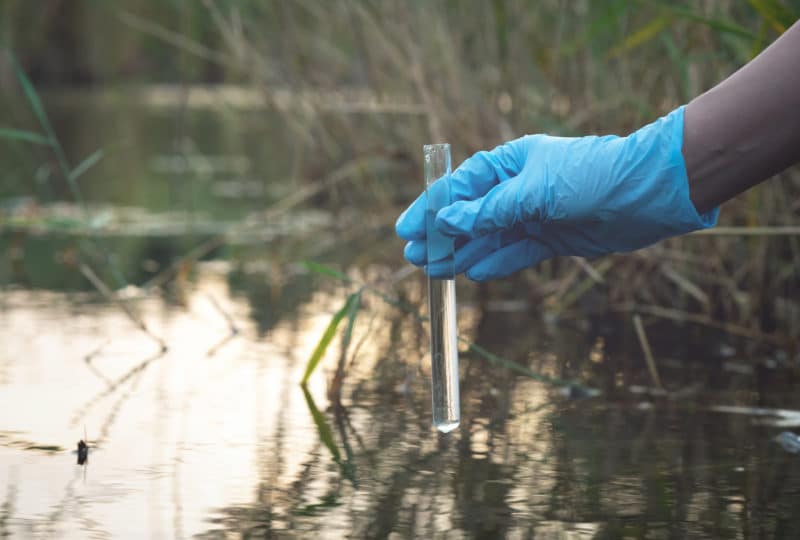
Postdoctoral position to develop and apply innovative molecular tools for biodiversity monitoring in two ecologically important watersheds in Québec, Canada. This project aims to improve our ability to assess aquatic biodiversity and support environmental monitoring and ecosystem management through environmental DNA (eDNA) approaches. The research will focus on high-throughput sequencing (e.g., metabarcoding) and targeted quantitative PCR (qPCR) assays to characterize biodiversity across aquatic ecosystems. The successful candidate will be responsible for all stages of the research project, including experimental design, field sampling, laboratory analyses, bioinformatics and statistical analyses, data interpretation, and scientific communication. The candidate will also work closely with project partners and stakeholders to ensure that research outcomes are translated into practical biodiversity monitoring applications.
Responsibilities will also include presenting research findings at scientific conferences, preparing peer-reviewed publications, communicating results to project partners, and contributing to the mentorship of graduate students. The successful candidate will join a dynamic and multidisciplinary research team and collaborate with academic, governmental, and environmental management partners.
Start date
Spring 2027
Research supervision
Valérie Langlois, Professor and Canada Research Chair in Ecotoxicogenomics and Endocrine Disruption, INRS
Work location
Eau Terre Environnement Research Centre
Institut national de la recherche scientifique (INRS)
490 de la Couronne, Québec
Quebec, G1K 9A9 Canada
Required qualifications
Applicants must hold a PhD in Molecular Biology, Ecology, Environmental Sciences, Biotechnology, or a related discipline, with strong expertise in molecular biology. Demonstrated experience with DNA extraction, PCR/qPCR, high-throughput sequencing technologies, and bioinformatics is highly desirable. Knowledge of eDNA approaches, ecotoxicology, or aquatic ecology will be considered an asset. The ideal candidate will demonstrate scientific independence, strong organizational and analytical skills, excellent communication abilities, and experience managing multidisciplinary research projects.
Funding
For more information on INRS postdoctoral fellowships.
To apply
Please use the form below to submit your application before February 26, 2027. Include the following documents in PDF format: a brief statement of your research interests, a CV, a copy of your university transcripts, and the names and emails of three referees.