
- Academic Life
Key expertise to address the challenges of the day

The Institut national de la recherche scientifique (INRS) has recently welcomed four new professors: Karin Kleiner, Sébastien Nisole, Daniel Paradis, and Mischa Young. Their wide-ranging expertise provides a multidisciplinary approach to identifying innovative solutions to today’s challenges, whether in sustainable development (mobility, energy, water management) or global health.
Karin Kleiner: perfecting li‑ion Batteries to decarbonize the transportation industry
A graduate of the University of Ulm in Germany and holder of a postdoctoral fellowship from the Karlsruhe Institute of Technology, Professor Karin Kleiner has joined the INRS Énergie Matériaux Télécommunications Research Centre within the INRS-UQTR Joint Research Unit in Materials and Technologies for Energy Transition. This unit, created in collaboration with the Université du Québec à Trois‑Rivières, is part of the Energy Transition Valley Innovation Zone and aims to develop innovative solutions for energy storage, green fuels, and industrial decarbonization.
Professor Kleiner’s research focuses on the development of new cathode materials for lithium‑ion batteries, a key renewable energy technology in the transportation industry. She is particularly interested in lithium‑rich, cobalt‑free, iron‑based layered oxides to reduce carbon footprint and production costs. Her work also includes direct and hydrometallurgical recycling of cathode materials, contributing to a sustainable circular economy.
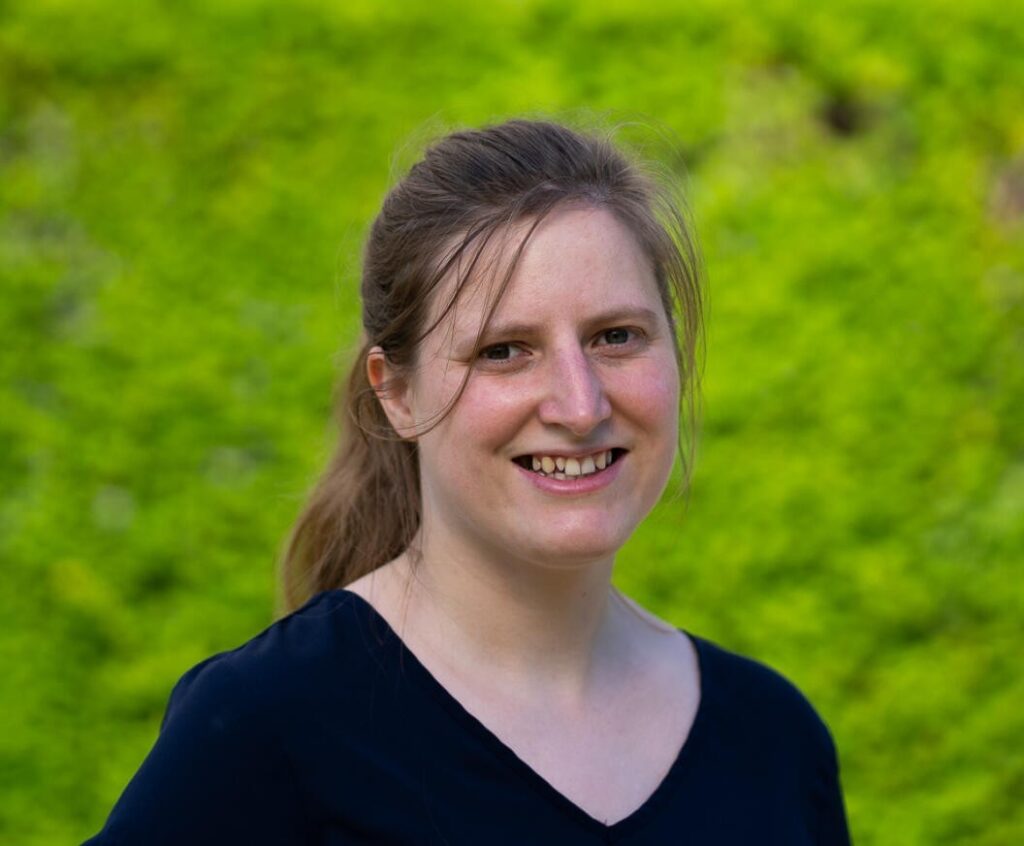
By using advanced diffraction and spectroscopy techniques, she seeks to better understand battery aging mechanisms and improve performance. Her expertise will prove valuable in efforts to accelerate the energy transition and fight climate change.
Sébastien Nisole: innovative antiviral strategies
Sébastien Nisole, recently appointed as a full professor at the INRS Armand‑Frappier Santé Biotechnologie Research Centre, holds a master’s degree in microbiology from the University of Paris VII and a PhD in virology from the Institut Pasteur. He is also a member of the Pasteur Network—an alliance of 32 institutes worldwide working together to address critical global health issues.
With his team, he studies interactions between viruses and host cells through innate antiviral immunity. His research focuses on RNA viruses such as HIV‑1, influenza virus, and SARS‑CoV‑2 that are public health issues and on emerging mosquito‑borne flaviviruses like dengue, West Nile, and Zika.
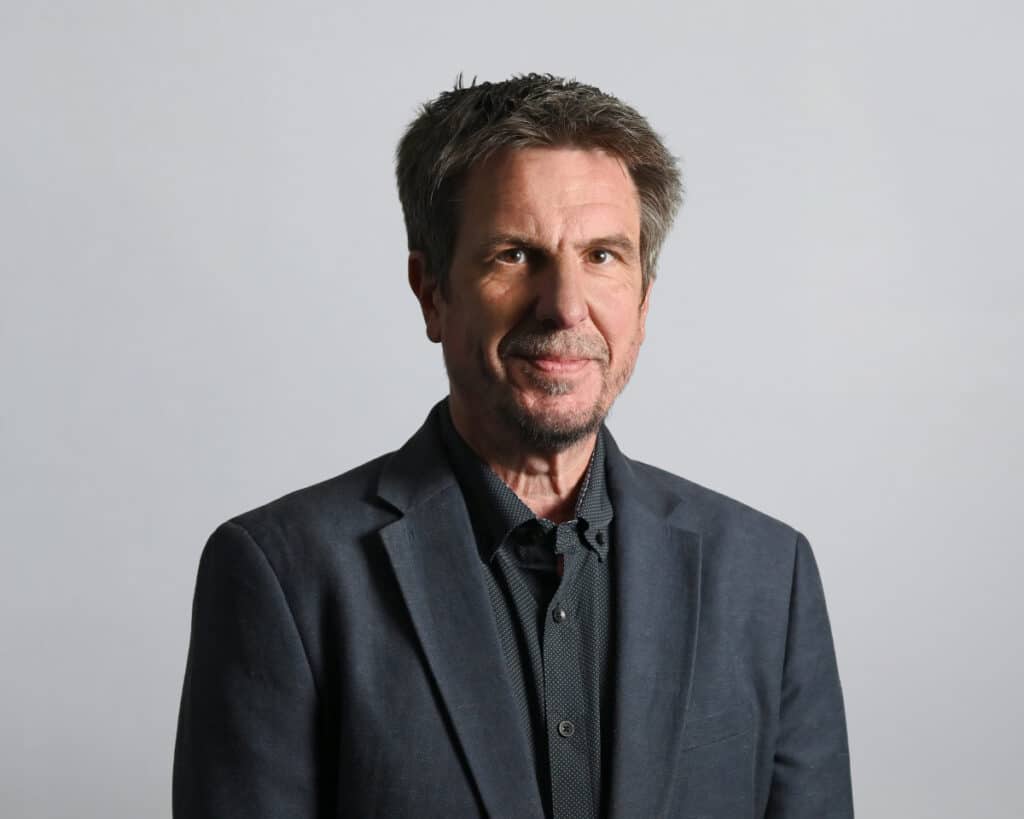
Combining molecular virology, cell biology, and functional genomics, Professor Nisole investigates how the interferon response controls RNA virus replication and how these viruses evade host defenses. His experience and research promise to pave the way for new innovative antiviral strategies.
Daniel Paradis: toward sustainable solutions for preserving groundwater
Professor Daniel Paradis, who holds a PhD in hydrogeology from INRS, works to protect a precious and fragile resource: groundwater. His research focuses on understanding flows within aquifer systems, particularly their recharge and interactions with surface environments, across diverse contexts facing increasing pressures on the resource.
His work addresses concrete issues such as the protection of drinking water sources, the remediation of contaminated aquifers, and the assessment of groundwater vulnerability in the face of climate change and evolving water use.
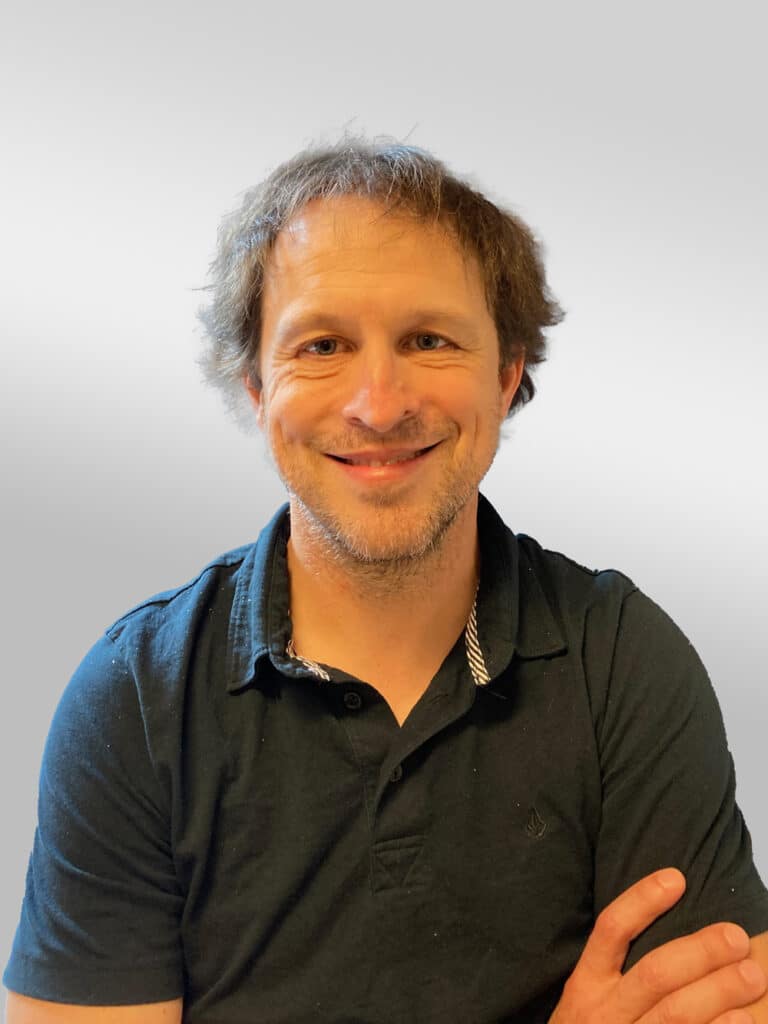
To tackle these challenges, Professor Paradis, based at the INRS Eau Terre Environnement Research Centre, combines advanced representations of aquifer system architecture with numerical modelling of groundwater flow at different scales. This integrated approach to precision hydrogeology makes it possible to translate complex underground processes into decision-support tools for public authorities responsible for sustainable groundwater management, and to foster the implementation of durable solutions to preserve this vital resource.
Mischa Young: urban mobility for sustainable cities
Professor Mischa Young, who holds a PhD in Urban Planning from the University of Toronto, conducts research on new transportation technologies and the future of mobility—for both goods and people—in urban environments. Recently, he examined commercial ridesharing services such as Uber and Lyft, delivery robots and online shopping to analyze their impact on cities and design policies to better regulate them.
Professor Young’s academic background in economics and urban studies has strongly shaped his interdisciplinary approach and his interest in quantitative methods and inequities linked to urban technological advancements.
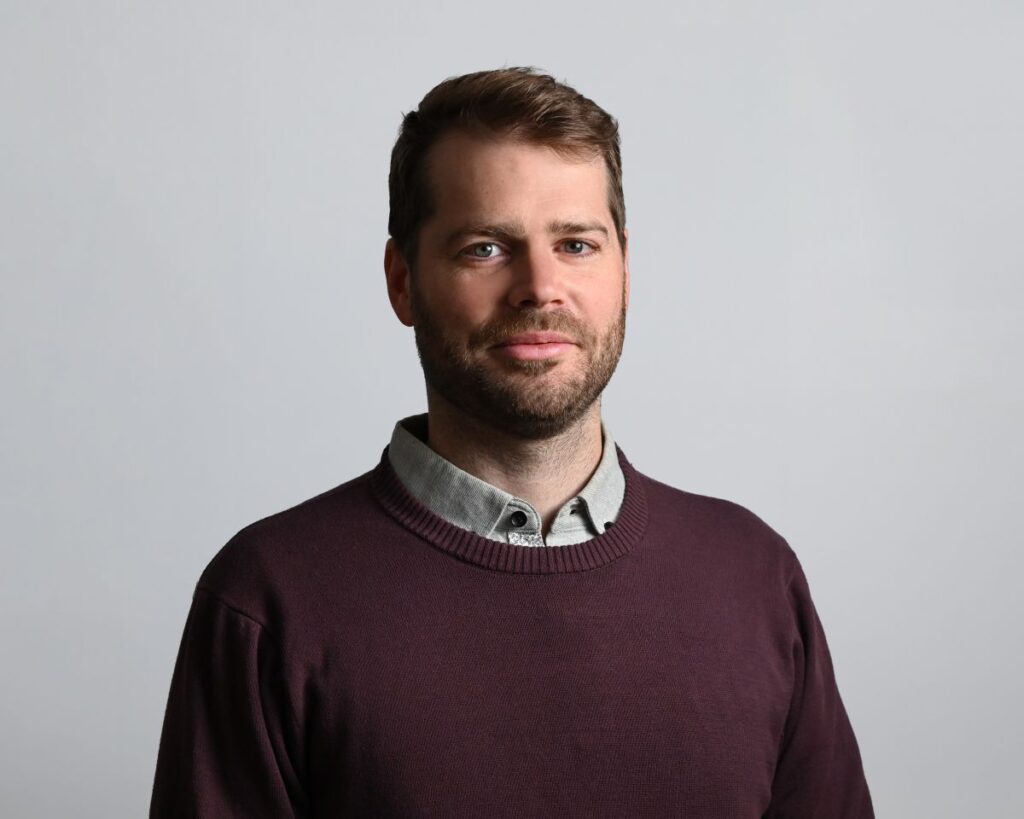
Joining the INRS Urbanisation Culture Société Research Centre is an ideal opportunity for him to pursue his research on emerging forms of urban mobility and their role in building more equitable and sustainable cities. Using methods from urban geography, spatial analysis, and econometrics, Mischa Young brings not only unique expertise but also extensive teaching experience.