
- Academic Life
Complementary expertise to address major challenges facing Québec’s rural territories.
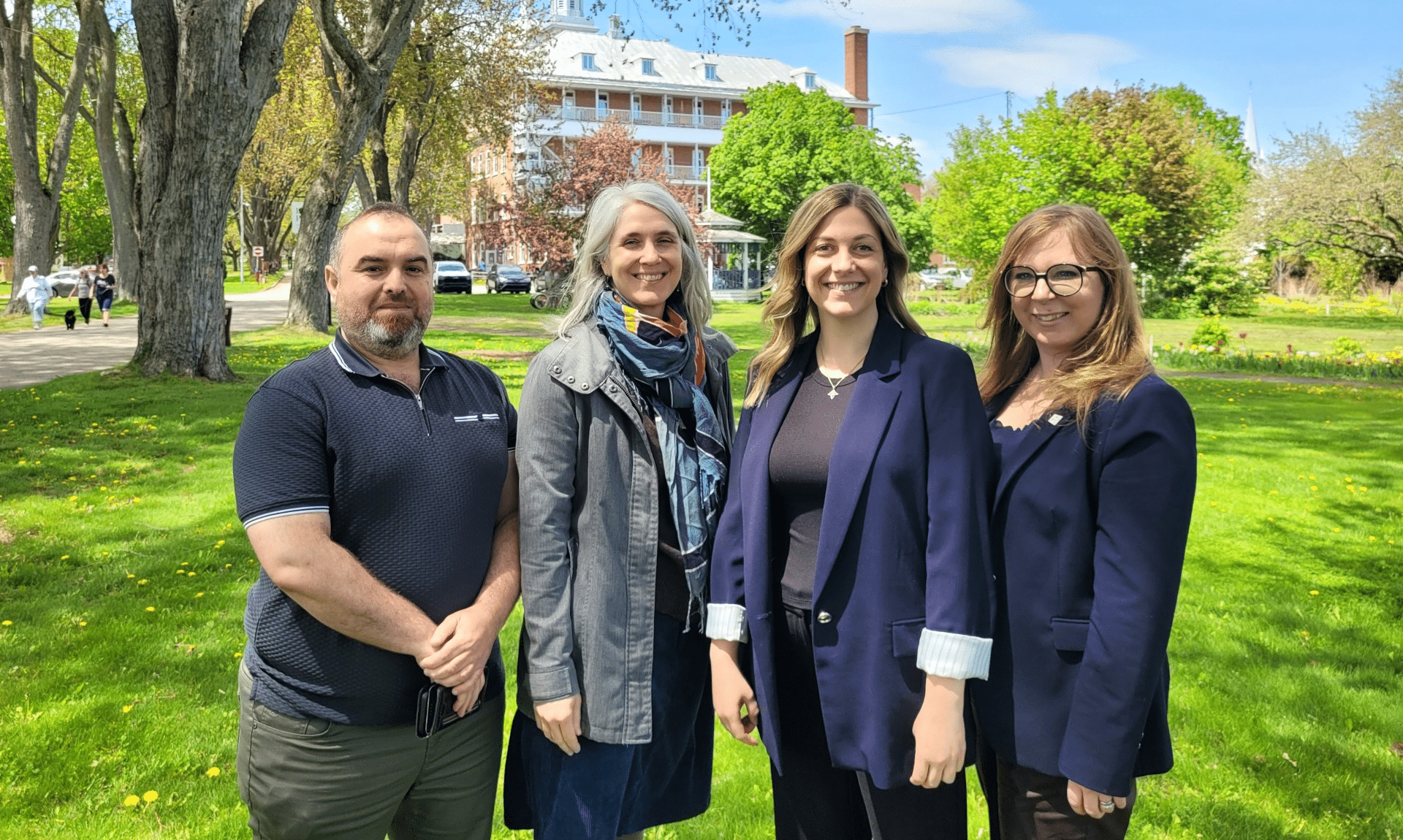
Photo from left to right: Professor Samir Méchaï and Professors Emmanuelle Bouchard Bastien and Marilyne Chicoine, along with Amélie Forget, Director of the INRS Center for Sustainable Rural Development.
The Institut national de la recherche scientifique (INRS) is pleased to welcome Professors Emmanuelle Bouchard-Bastien and Marilyne Chicoine, as well as Professor Samir Méchaï. The arrival of these three faculty members at the INRS Ruralités durables Research Centre, located in Charlevoix, strengthens the Centre’s ability to analyze and support transformations in rural environments, addressing issues as varied as citizen participation, supply chains, and health.
“The arrival of these three new faculty members at INRS marks a foundational step for the INRS Ruralités durables Research Centre. Their complementary expertise reflects our ambition to develop research rooted in the territories, addressing major contemporary issues as defined and co‑constructed with and for communities.”
Amélie Forget, Implementation Director – INRS Ruralités durables Research Centre
Citizen Participation and Socio‑Environmental Transformations
Professor Emmanuelle Bouchard-Bastien brings expertise in citizen mobilization and participation in rural contexts. Her research focuses on the relationships between societies and their environments in situations of transition, transformation, or conflict.
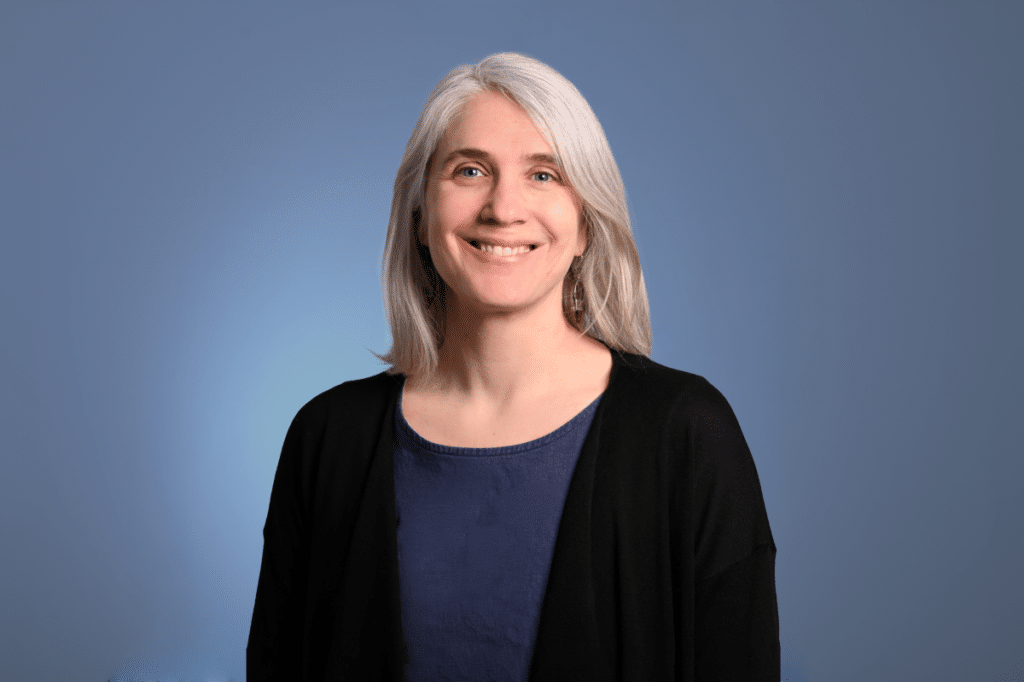
Trained in anthropology and environmental studies, she examines the social dimensions of rural development projects and their consultation mechanisms, including mining operations, wind farms, and energy infrastructures. Her work also explores how populations respond to natural and human‑made disasters and environmental disruptions, with particular attention to recovery and adaptation processes.
Her research highlights the diversity of values, representations, and visions for the future that coexist in rural territories, and underscores the importance of the methods used by institutions to engage communities in decision‑making processes that directly affect their living environments. She relies on participatory and collaborative approaches that value local knowledge and support the co‑construction of solutions adapted to community realities.
Toward Sustainable, Locally Rooted Supply Chains
Professor Marilyne Chicoine studies the transformation of supply chains and value chains in a context marked by increasing climatic, economic, and social disruptions.

Her research seeks to understand how these chains can evolve toward more sustainable, equitable, and resilient systems that support community well‑being while respecting ecosystem limits. Her interdisciplinary approach—at the intersection of systems engineering, marketing, and behavioral sciences—allows her to analyze proximity dynamics, short supply circuits, and alternative models such as cooperatives and circular economies.
Her research program is structured around three themes: proximity dynamics within supply chains, territorial innovations focused on stakeholder well‑being, and the development of regenerative systems adapted to rural realities. Her work helps identify concrete solutions to support the transition toward more autonomous and sustainable economies.
Rethinking “Rural” Epidemiology to Connect Health Risks with Territory
Professor Samir Méchaï joins the Centre as a specialist in so‑called “rural” epidemiology. His work focuses on understanding the dynamics of disease emergence and spread in territories where humans, animals, and ecosystems interact.
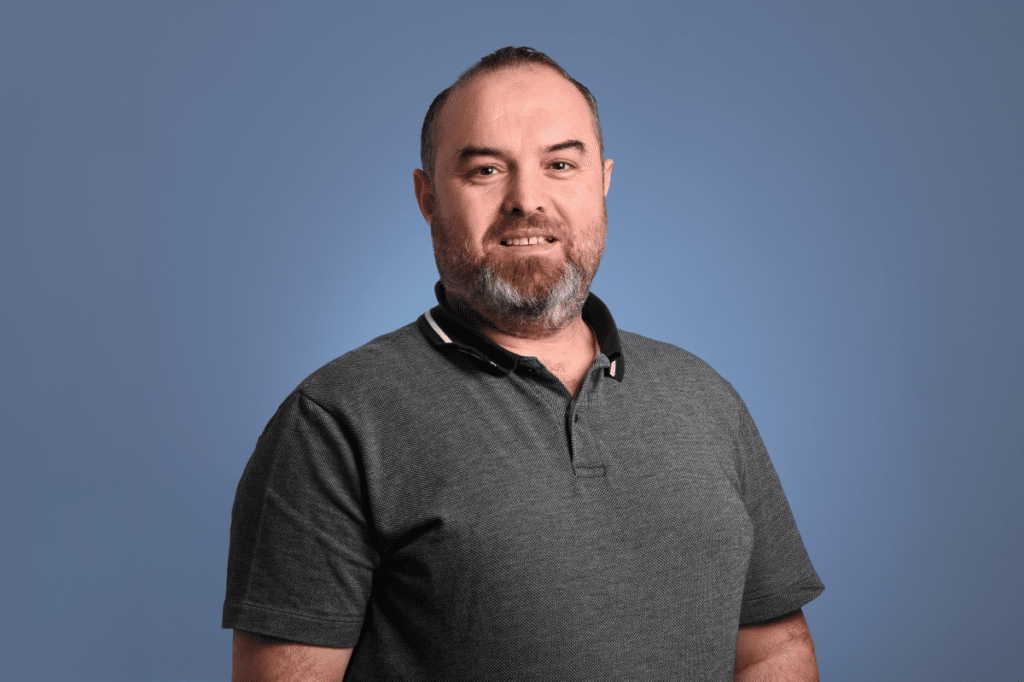
Rural environments play a key role in the emergence of new health risks, particularly due to interactions between wildlife, livestock, vectors (such as mosquitoes and ticks), and human activities. Samir Méchaï’s research aims to better understand these dynamics—still largely under‑detected by traditional systems—through a multidisciplinary approach at the crossroads of agronomy, entomology, genomics, and epidemiology.
His work contributes to improving public health surveillance tools and anticipating emerging risks. His goal is to strengthen the capacity of rural communities to face health challenges and increase their resilience.
Strengthened Expertise Serving Rural Territories
With the arrival of Emmanuelle Bouchard-Bastien, Marilyne Chicoine, and Samir Méchaï, the INRS Ruralités durables Research Centre reaches a new stage in its development. Their work will help structure a scientific program rooted in the realities of territories and environments, and generate knowledge directly useful to decision‑makers, partners, and communities.