
- Unlikely Perspectives
The “Unlikely Perspectives” series shines a spotlight on unusual, thought-provoking research topics.
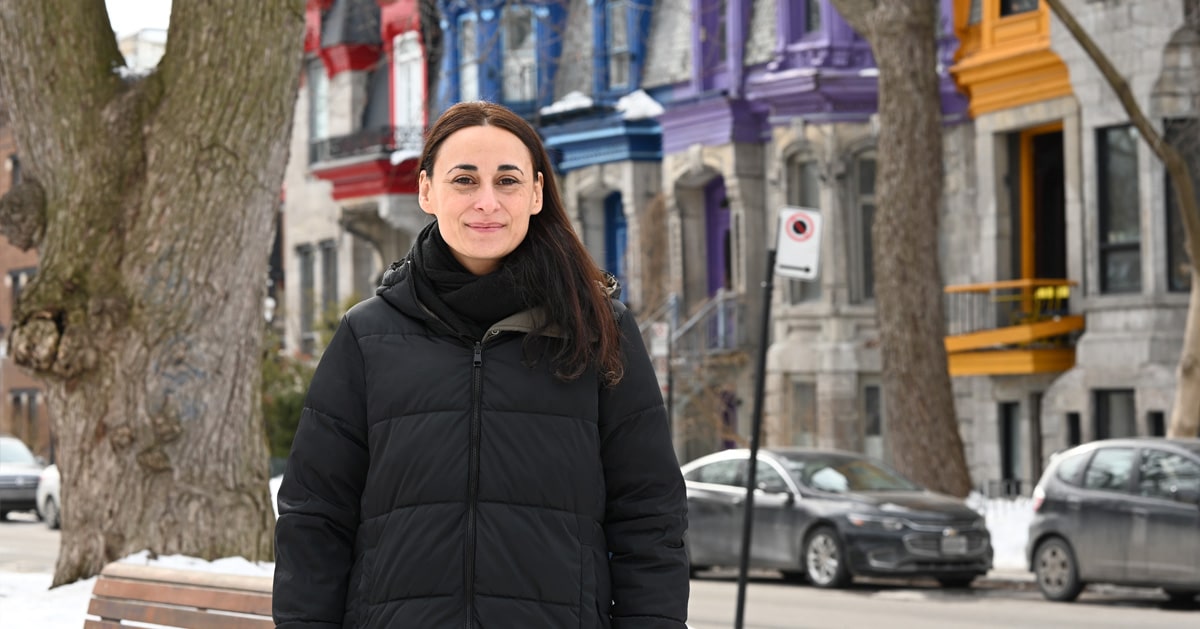
Maria José Visconti, a research professional at INRS
Have you ever noticed how certain smells are associated with a city or a neighbourhood? This observation sparked the work of Maria José Visconti, a research professional at INRS, who studies the link between olfactory perception and the development of a sense of belonging to spaces.
“When we describe an urban area, we tend to say whether it’s clean, beautiful, or quiet—in other words, we describe it through sight or sound. We rarely use smell, or, if we do, it’s often to evoke negative associations,” the researcher notes. Cigarettes, traffic, and air pollution are the first things that come to mind. Research in urban studies does not always escape this bias. “My research aims in part to deconstruct this negative perception of smell, by reminding people that there are plenty of positive smells in the city.”
Olfactory identity, the DNA of a city
“Smells are part of a place’s identity and constitute its olfactory heritage,” continues Maria José Visconti. She will thus analyze the smells unique to each neighborhood: those of plants and parks, those associated with commercial activities, or even those of grocery stores and restaurants in neighborhoods known for their international communities.
This olfactory landscape plays a direct role in shaping the urban environment, the researcher explains. “Since the perception of each scent is tied to an individual experience, we can say that the city, through its scents, is experienced differently by each person. Smell can therefore act as a vector for a very personal attachment to a place.”
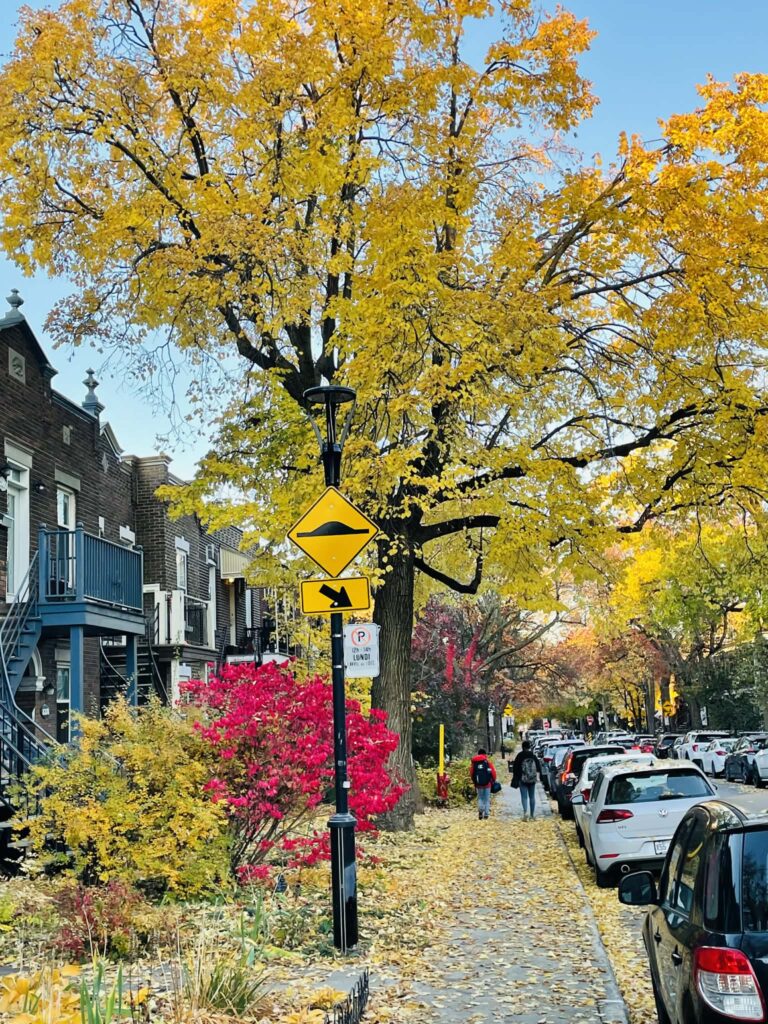
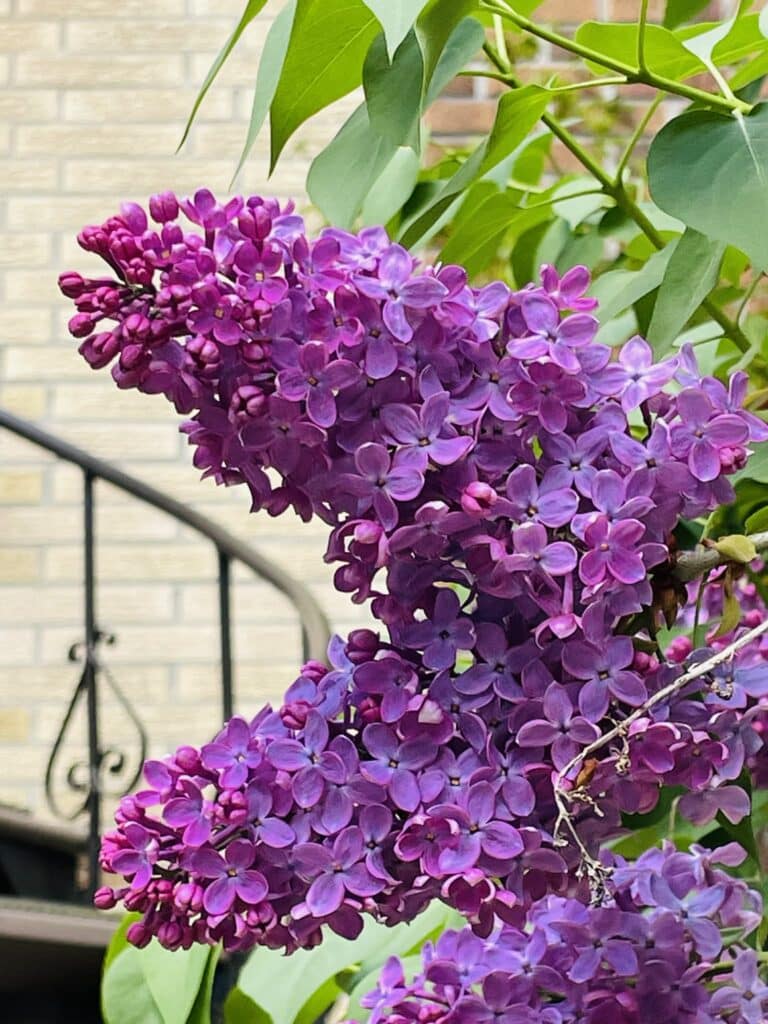
While people may initially choose to settle in a neighborhood for its community or local amenities, she points out that smells play a role. “Beyond these initial, very concrete decision-making factors, we see that smells and atmosphere overlap in a highly complementary way. Smells are the invisible witnesses to the urban atmosphere and the emotions associated with it.”
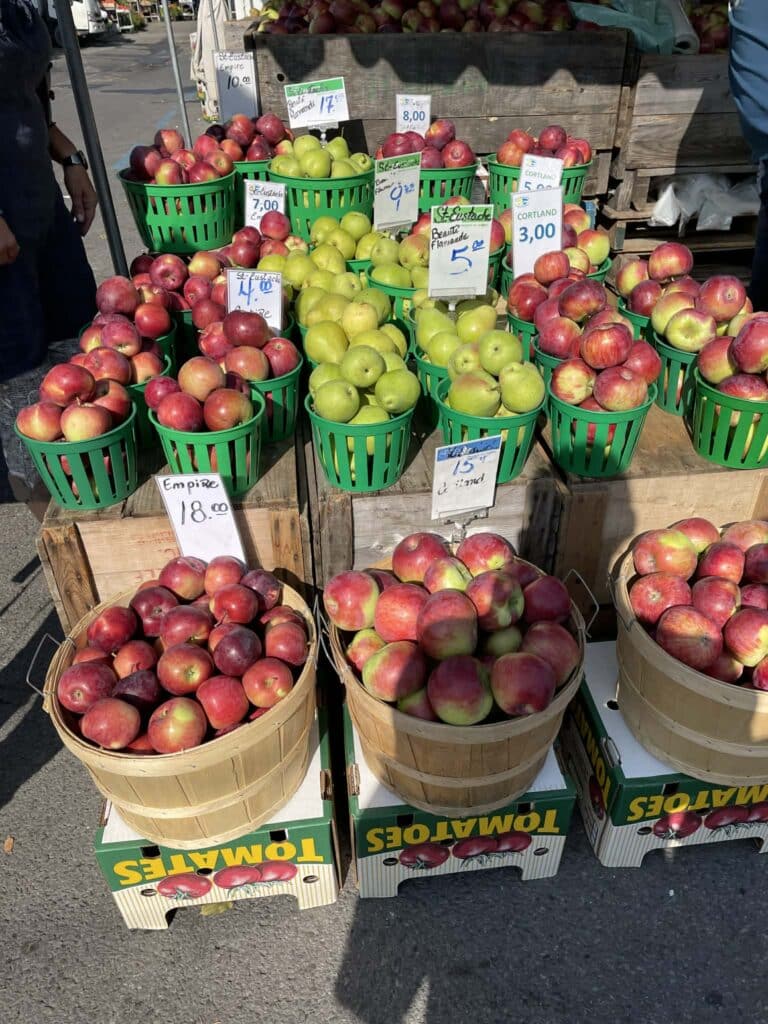
Examples: the smell of warm bread wafting from the corner bakery; the smells of barbecues emanating from a park during the summer season; the scents of flowers and herbs in community planters placed on the sidewalks.
During her master’s degree in urban studies at INRS, Maria José Visconti spoke with fourteen people, whom she followed through the streets and alleys of Montreal in pursuit of their daily, cherished scents.
“This led to extraordinary encounters that allowed us to understand how people experience spaces in ways that are at once individual, cultural, and collective through the scents they perceive.”
Scents: A Springboard for Improving City Life
In conclusion, Maria José Visconti highlights the opportunities her work has opened up: engaging with urban planners and municipalities to improve the urban experience through design, while avoiding certain blind spots.
“Often, we imagine the city as an alienating, chaotic space, but there is a way to make spaces more comfortable and welcoming. Odors clearly play a role in these positive sensations,” observes the INRS student.
Indeed, scientific research has already shown that negative olfactory perceptions trigger a physical reaction in humans and prompt vigilance. Instinctively, unpleasant odors are interpreted by the body as potential sources of threat. Following this same logic, positively perceived scents have a direct link to a sense of well-being.
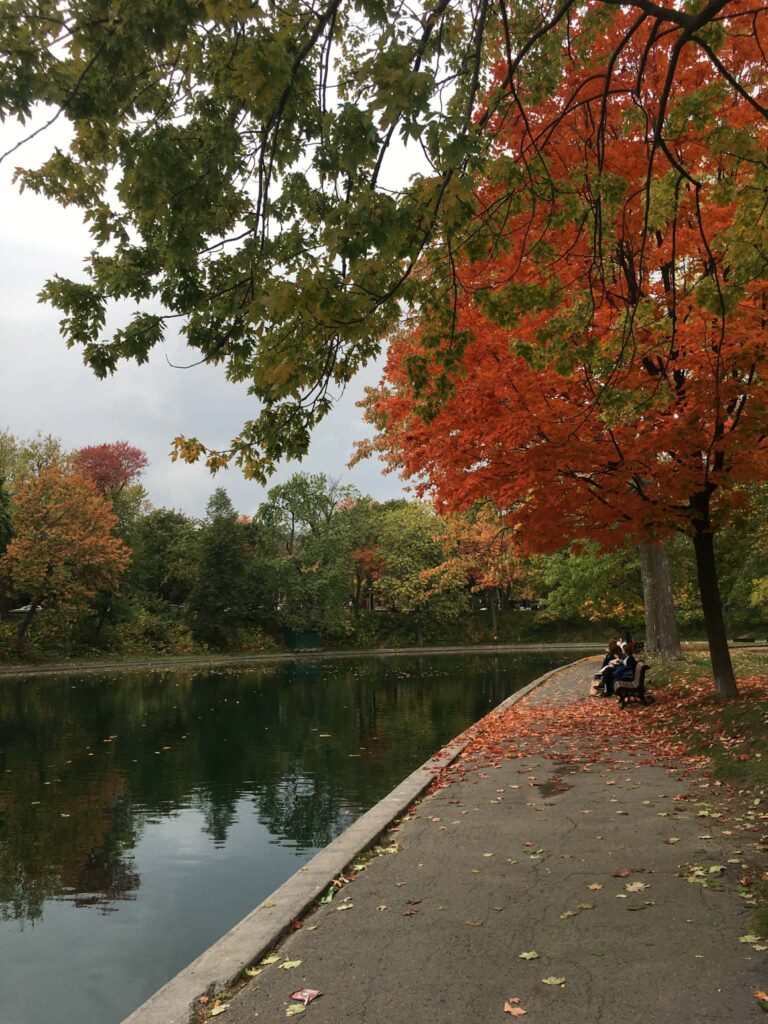
The researcher suggests, in particular, taking allergies into account when selecting plant species and designing parks, using specific materials for street furniture—such as wood, which interacts with rain and releases a comforting scent—or installing fountains to create mineral-based scents. All these details, when it comes to urban planning decisions, could have a direct impact on increasing residents’ sense of well-being.
Researcher Profile
Maria José Visconti is a researcher with the interuniversity network Villes Régions Monde. She is completing her master’s degree in urban studies at INRS under the supervision of Sandra Breux and holds a bachelor’s degree from the Université de Montréal in professional writing and applied communication.