

The Équilibre Research Chair aims to transform the natural sciences and engineering research ecosystem by placing equity, diversity, and recognition at the centre of institutional practices. Led by an interuniversity team from INRS, Laval University, and McGill University, the initiative aims to identify and remove barriers to diverse academic career paths, provide targeted training and mentorship for academic research professionals (ARPs), and promote recognition frameworks that value their essential yet often overlooked contributions.
Titulaire
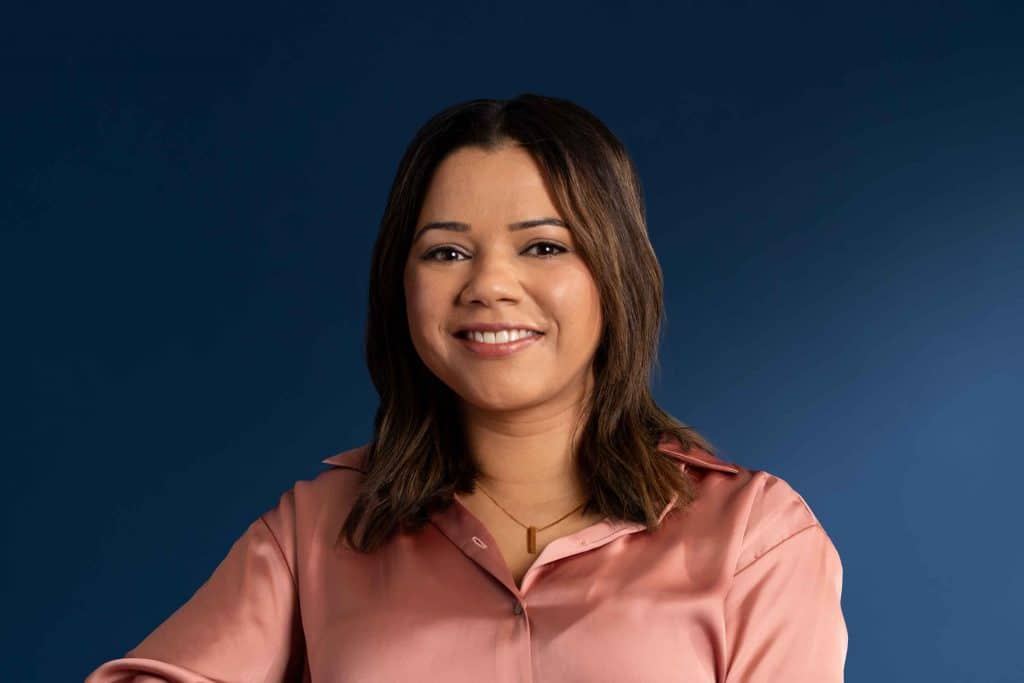
Kulbir Kaur Ghuman
Associate Professor, INRS Énergie Matériaux Télécommunications (EMT) Research Centre
Kulbir Kaur Ghuman is a specialist in computer science applied to materials science, and holds a Canada Research Chair (level 2) in Computational Materials Design for Energy and Environmental Applications. She also holds the Équilibre Chair as part of the Chairs for Inclusion in Science and Engineering (CISE) program.
Context
The university research ecosystem relies on diverse profiles that make essential contributions to the advancement of knowledge. Academic research professionals (ARPs)—including platform scientists—play a key role in experimental design, data collection and analysis, training and mentoring, and the management of complex research infrastructures.
However, despite their strategic contribution, these individuals often remain under-recognized, their career paths lack structure, and their prospects for advancement are limited. This situation disproportionately affects women and underrepresented groups, particularly in the natural sciences and engineering.
The Équilibre Research Chair was created to address this systemic gap by placing ARPs at the centre of the research ecosystem, with a focus on equity, recognition, and the promotion of diverse career paths.
Objectives
The Équilibre Research Chair aims to strengthen inclusion and recognition within the natural sciences and engineering research ecosystem by pursuing three complementary objectives:
1. Understanding barriers and promoting diversity in career paths
Analyze the realities, motivations, and obstacles experienced by academic research professionals (ARPs) through consultations, surveys, and interviews conducted in Québec and the rest of Canada. This work, carried out in collaboration with social science experts, will produce evidence to guide institutional policies and raise awareness of the diversity of research careers, particularly among women and underrepresented groups.
2. Empowering ARPs through training and mentoring
Develop inclusive and accessible training programs to strengthen the technical, pedagogical, and leadership skills of ARPs. Key initiatives include a Nanoprogram in scientific platform management and leadership; the Digital Research for All platform, which provides remote training opportunities, particularly for geographically isolated communities; the Illuminating Connections program, which bridges science and communities impacted by the work of ARPs; and the Femme in Focus podcast, which highlights and amplifies the contributions of academic research professionals.
3. Developing and disseminating equitable recognition frameworks
Co-create, with ARPs and institutional partners, recognition tools to better value contributions to research, mentoring, and infrastructure management. This work will support the development of clearer and more sustainable career paths and will inform knowledge dissemination and mobilization activities with institutions, funding agencies, and decision-makers.
Partners and collaborators
The Équilibre Chair is jointly directed by three holders:
- Kulbir Kaur Ghuman, Associate Professor at the INRS Énergie Matériaux Télécommunications Research Centre
- Claire M. Brown, Professor in the Department of Physiology and Director of the Advanced BioImaging Facility (ABIF) at McGill University
- Marie-Ève Paquet, Associate Professor in the Department of Anesthesiology and Intensive Care and researcher at the Université Laval CERVO Brain Research Center
The chair receives financial support from the Natural Sciences and Engineering Research Council of Canada (NSERC) and the Fonds de recherche du Québec – Secteur Nature et technologies (FRQ), as well as contributions from institutions and external partners. .

