
The Industrial Research Chair on in situ treatment of soil and groundwater contaminated by persistent and emerging pollutants aims to develop a multidisciplinary centre of excellence dedicated to innovation in in situ treatment and to the transfer of knowledge in this field.
This Chair is founded on an engaging, innovative, and practice‑oriented partnership that brings together academic researchers and engineering professionals to tackle the environmental challenges associated with in situ treatment of soil and groundwater contaminated by persistent and emerging pollutants present in Québec’s environment.
This Chair is the result of a collaboration between INRS and the ministère de l’Environnement, de la Lutte contre les changements climatiques, de la Faune et des Parcs (MELCCFP), with the support of TechnoRem, a subsidiary of Groupe ABS.
Holder
Professor Richard Martel, Eng., Ph.D., has over 40 years of experience in hydrogeology. Since 1996, he has contributed to securing more than $15 million in research funding for projects involving organic contaminants in complex geological settings. This work has been carried out with his multidisciplinary team and in collaboration with various public- and private‑sector partners.
He has been teaching at INRS for nearly 30 years and has supervised or co‑supervised numerous thesis projects related to in situ soil flushing with surfactants, surfactant foam formulation, in situ chemical oxidation, and in situ enzymatic degradation.
Background
Contaminated soil and groundwater represent a significant component of Québec’s environmental liability. The Government of Québec, municipalities, and project developers face multiple challenges due to increasingly complex contamination issues, the emergence of new pollutants, stricter regulatory requirements, and growing pressures related to sustainable development.
For government agencies, urban planners, municipal managers, and project developers, the remediation of contaminated sites is a central concern, as it offers exceptional social, economic, and environmental benefits for the population as a whole.
In an era focused on sustainable development, in situ treatment technologies provide an environmentally responsible approach to decontaminating contaminated soil and groundwater in Québec. However, these technologies require essential development stages to ensure the effective treatment of emerging contaminants.

Contaminated soil and groundwater
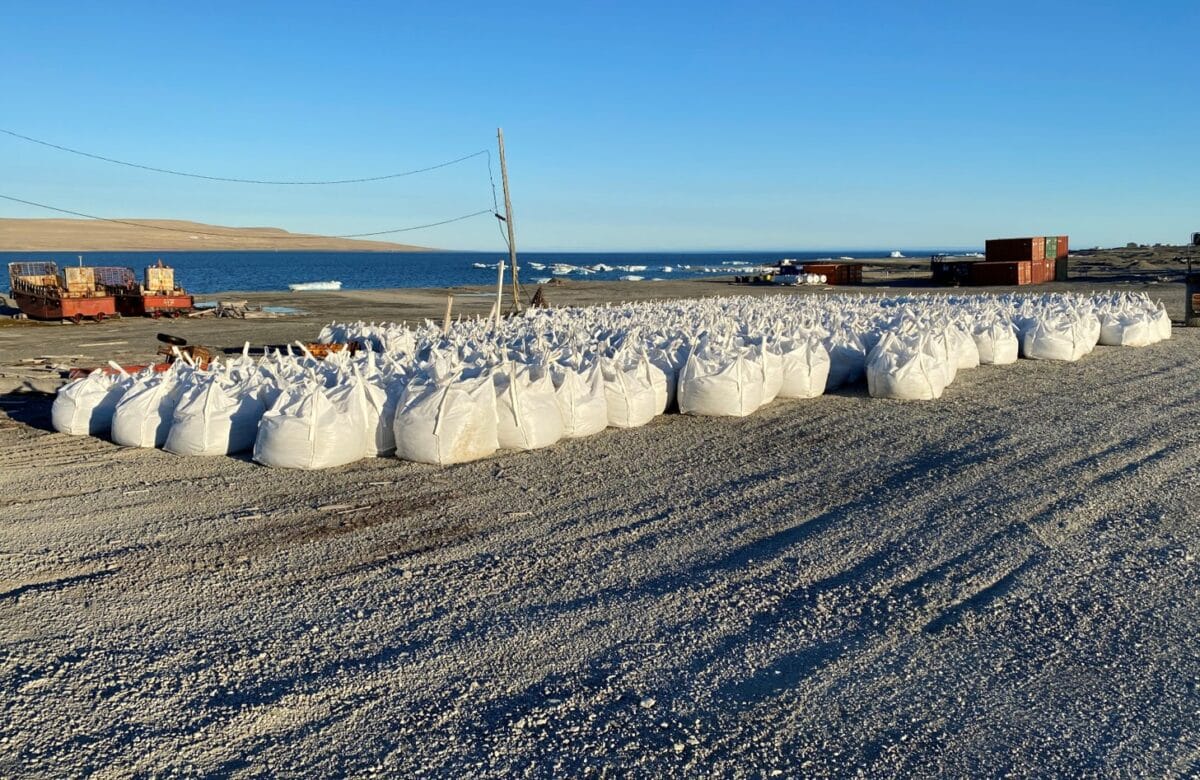
In situ treatment of contaminated soils and coastal sediments with enzymes in Quatrex bags (1 m³)

In situ treatment of soil and coastal sediments contaminated with diesel fuel by injection of oxidants
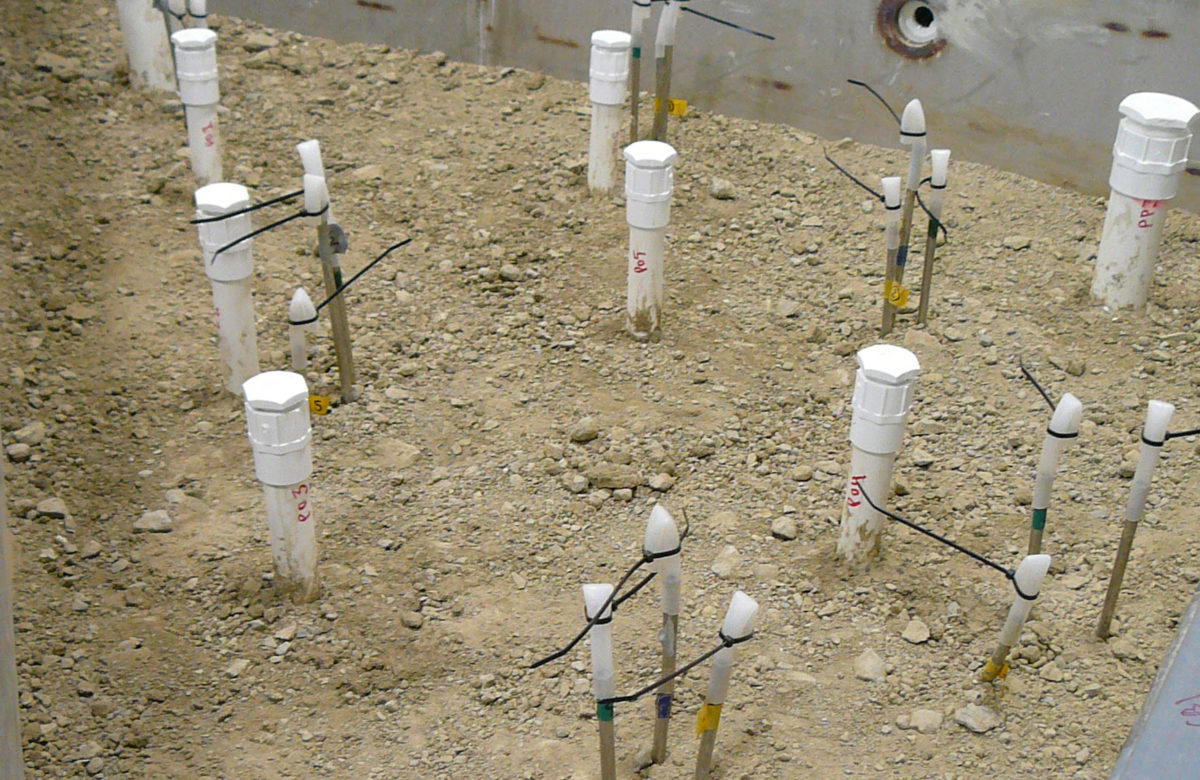
3D sandbox with a source zone
Objectives
The Chair will develop new knowledge and strategies to improve the efficiency of in situ treatment processes for contaminated soil and groundwater and to broaden their applications. Its objectives will be achieved through a multidisciplinary research program in Earth sciences and through collaboration between universities and private‑sector partners, including:
- The treatment of emerging and persistent pollutants in the environment
- The development of innovative in situ treatment technologies and/or the improvement of existing technologies adapted to Québec’s specific conditions (e.g., cold climates, remote regions, etc.)
- The development of methods to monitor the performance of in situ treatment processes
- The application of in situ treatment technologies to source zones of contamination (e.g., non‑aqueous phase liquids [NAPLs]) and to dissolved‑phase contamination
- The development of knowledge and tools, as well as the training of future Québec professionals in the field of in situ treatment
- Scientific publications (e.g., journal articles, theses, technical reports, etc.)
- The organization of public technical conferences (e.g., Americana, Salon des technologies environnementales, etc.)
- The organization of discussion groups and roundtables
- The production of technical documents for the MELCCFP
- Collaboration with researchers from various institutions pursuing similar research objectives
Five projects have been selected by the Chair’s Technical Committee:
- Multiscale development and validation of a permeable reactive barrier (PRB) using adsorption for the in situ treatment of mixtures of organic contaminants and metals
(led by Richard Martel, INRS) - Development of immobilization technologies for PFAS in source zones and contaminated groundwater
(led by Maria Prieto‑Espinoza, Polytechnique Montréal) - Sequential in situ rehabilitation strategy: Groundwater plume blocking by foam injection and mobilization of LNAPL/DNAPL through swelling using an alcohol‑in‑biopolymer emulsion
(led by Richard Martel, INRS) - Development of a portable and cost‑effective injection system for horizontal drains
(led by Richard Martel, INRS) - Study of PFAS biodegradation in soils and groundwater from Quebec
(led by Tarek Rouissi, INRS)
The Chair also aligns with the implementation of the Plan d’action 2023-2029 (pdf) de la Politique de protection des sols et de réhabilitation des terrains contaminés du MELCCFP.
Partners and collaborators
Nearly $2 million has been invested in this first phase of funding, spread over a three‑year period, thanks in part to the significant contribution of the MELCCFP, which provides the majority of the Chair’s financial support. A next call for proposals is planned for fall 2028, during which approximately $1 million will be awarded for the final two years of the program.
TechnoRem, part of Groupe ABS, remains the Chair’s principal industrial partner. However, industrial partners interested in collaborating with a university‑based research team are invited to contact the Chair’s team now to ensure compliance with project submission timelines.
The Chair also welcomes new partners wishing to support its work. Financial contributions may help launch new initiatives or strengthen ongoing projects, subject to the agreement of the parties involved.
Depending on the nature of the projects, certain activities—such as field‑scale demonstrations following successful laboratory testing—may be eligible for the MELCCFP’s InnovEnSol program, in accordance with its regulatory framework.
Are you interested in the work of the chair? Contact Professor Richard Martel