
- INRS Publications
Professor Valérie Langlois publishes an accessible book to help protect nature.
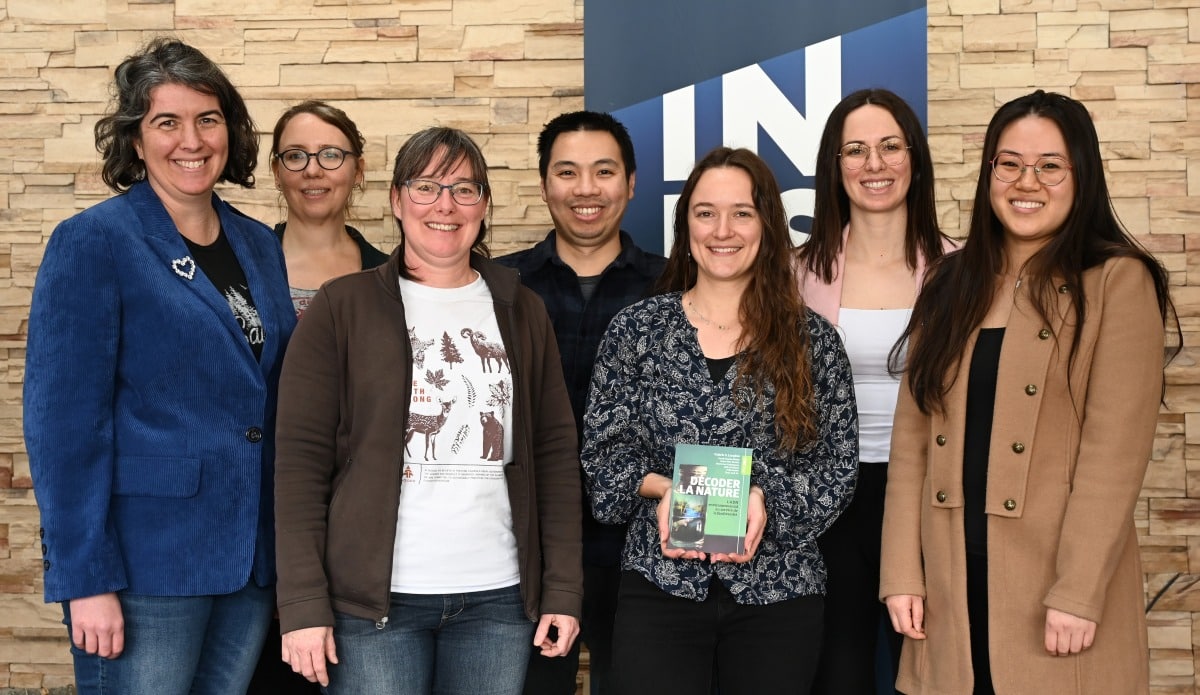
Photo de gauche à droite : Fidji Sandré (chercheure postdoctorante au centre ETE), Valérie Langlois (professeure au centre ETE), Julie Couillard (associée de recherche au centre ETE), Annie Claude Bélisle (ancienne postdoctorante au centre ETE), Tuan Anh To (technicien au centre ETE), Marie-Pier Brochu (étudiante au doctorat au centre ETE), Marie-Lee Castonguay (ancienne étudiante au doctorat centre ETE)
What is environmental DNA? How is it collected? And why is it becoming an essential tool for protecting our ecosystems? To answer these questions, Professor Valérie Langlois of Institut national de la recherche scientifique (INRS), together with her research team, has published Décoder la nature : L’ADN environnemental au service de la biodiversité, released by Presses de l’Université du Québec (PUQ).
“Environmental DNA is now stepping outside the laboratory and becoming a true decision‑making tool. I wanted to write this book to make this science accessible to everyone and to encourage citizens to use it to help preserve our ecosystems.”
Valérie Langlois, Professor at INRS and Environmental Toxicology Specialist
An internationally recognized researcher based at the INRS Eau Terre Environnement Research Centre, Valérie Langlois holds a Canada Research Chair and has spent more than twenty years studying how pollution transforms our ecosystems.
Like in forensic investigations… but for nature
Crime‑scene TV shows have long showcased the importance of collecting and analyzing human DNA to solve investigations. Environmental DNA works in a similar way—except that it reveals crucial clues about ecosystems. Just as human DNA can linger on an object even after a person has left, environmental DNA provides information about organisms that pass through or inhabit a given area.
A simple sample of water, air, or soil can reveal which species are present—without disturbing plants or animals. No crime committed here!
Helping the public discover a powerful tool
Communicating complex scientific concepts is no simple task—except, perhaps, for Professor Langlois, who has mastered the art through her science books for children.
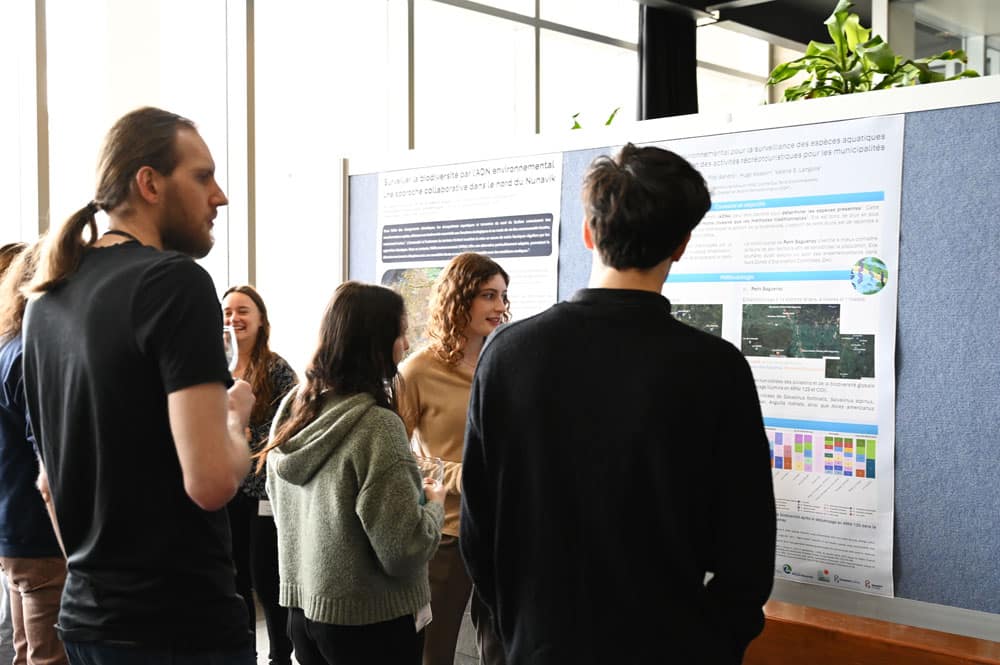
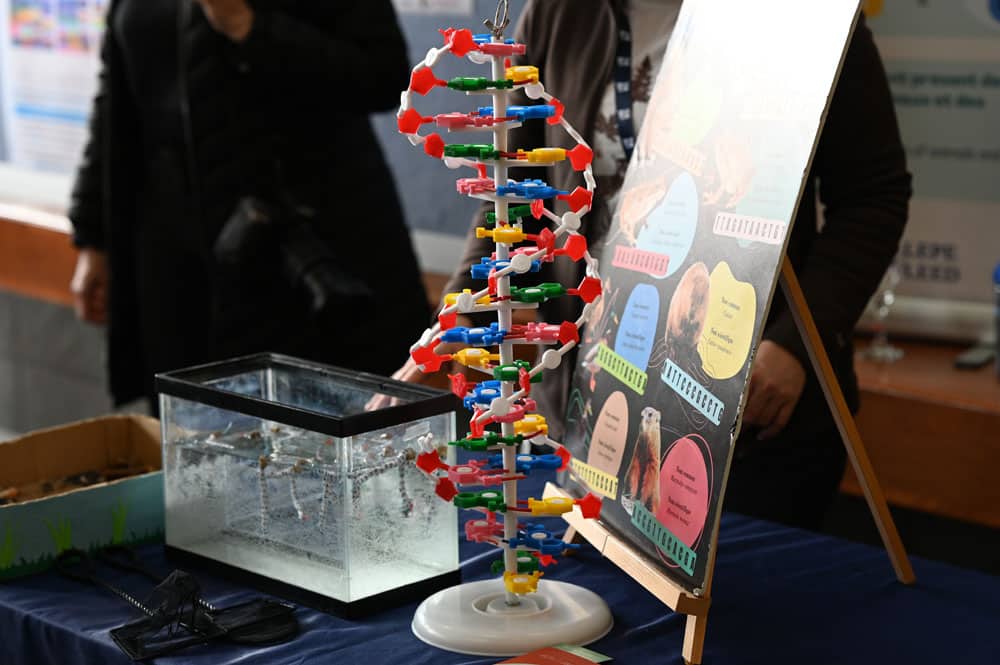
This time, working with Annie Claude Bélisle, Marie‑Pier Brochu, Marie‑Lee Castonguay, Julie Couillard, Fidji Sandré, and Tuan Anh To, she offers the general public an opportunity to discover environmental DNA—a captivating, useful, and widely relevant tool.
Already, this approach is being adopted by government ministries, the mining industry, environmental organizations, and Inuit and First Nations communities.
Choosing the right words—and opening the right doors
For the team, contributing to the book was a true exercise in science communication.
“Contributing to this book was a stimulating challenge: we had to find the right words to explain molecular biology to a broad audience. The experience pushed me out of my comfort zone and reminded me that science is everywhere—and accessible when we explain it clearly.”
Julie Couillard, Research Associate, INRS
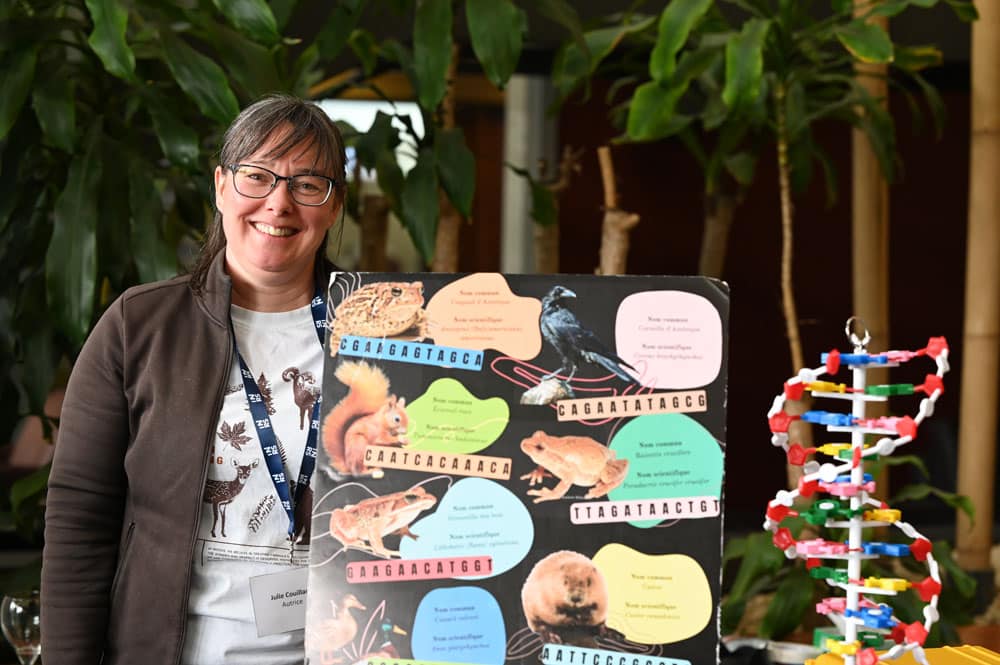
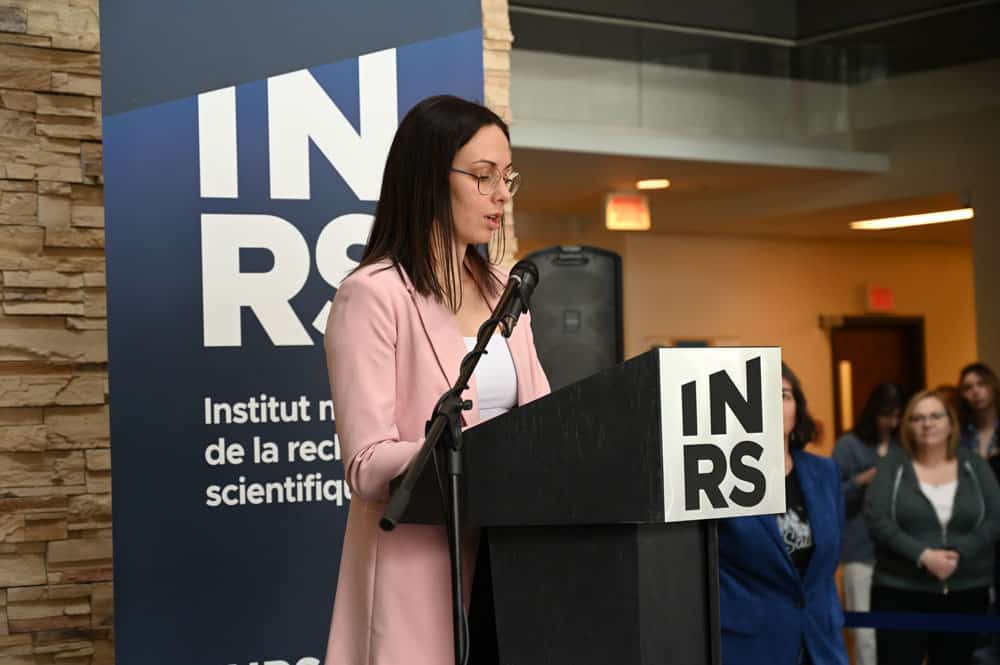
Doctoral student Marie‑Pier Brochu, who also helped write the book, highlights the importance of sharing research with the public:
“Science communication has always been central to my path. For me, doing research also means sharing our knowledge with the public. Contributing to a collective book like this is a rare and meaningful opportunity to do just that.”
Marie‑Pier Brochu, PhD Candidate in Water Sciences, INRS
What is environmental DNA used for?
Environmental DNA allows us to take the pulse of nature. By analyzing tiny traces left behind by plants, animals, and microbes, researchers can understand how an ecosystem is doing and how it reacts to its surroundings—pollution, climate change, land use, and more.
This method offers a fresh perspective on what is happening within an ecosystem: it can reveal when a species is becoming too dominant, when a disease is emerging, or how certain populations respond to changes in their habitat. Such insights help scientists and decision‑makers act more quickly and effectively—protecting vulnerable species, restoring damaged environments, and better grasping how diseases circulate in nature.
Ultimately, environmental DNA provides a powerful scientific tool to understand, monitor, and protect biodiversity.
The book delight Décoder la nature : L’ADN environnemental au service de la biodiversité will delight readers with this accessible, powerful, and essential scientific technology that helps us better understand and protect the living world around us.